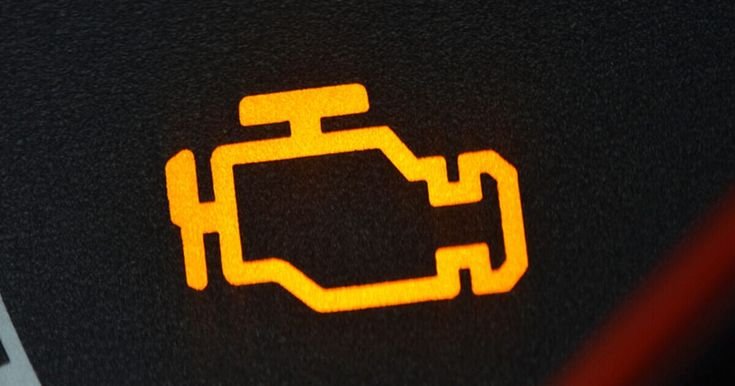
Flashing Check Engine Light: Top Causes, Fixes, and What You Should Never Ignore
A flashing check engine light is one of the scariest things a driver can see on the dashboard. Most drivers do not know what it means and they either panic or ignore it completely. Both of these reactions can make things worse.
The flashing check engine light is your car trying to tell you that something serious is happening inside the engine right now. It is not a warning you can put off until next week. It needs your attention as soon as possible.
In this article you will find everything explained in simple language. You will learn what causes the flashing check engine light, what to do when you see it, how to fix it, and what it means for popular car brands like Nissan, Ford, Toyota, and Hyundai. All the most common questions people ask about this problem are answered below under clear headings.
What Does a Flashing Check Engine Light Mean
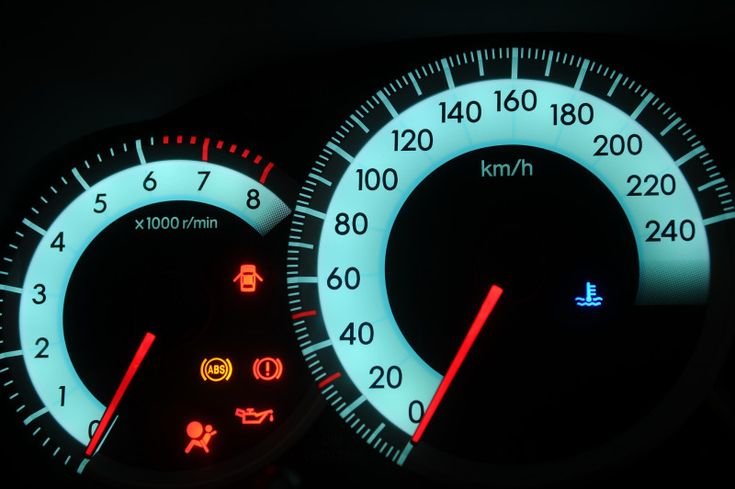
Before getting into the specific questions, it is important to understand what the flashing check engine light actually means.
There are two types of check engine lights. The first one is a steady check engine light that stays on without blinking. This means there is a problem that should be checked soon but it is not an emergency.
The second one is a flashing or blinking check engine light. This one is completely different. A flashing check engine light means the engine is misfiring right now. A misfire happens when the fuel inside one or more engine cylinders does not burn properly.
When the engine misfires, unburned fuel goes into the exhaust system. This unburned fuel can heat up the catalytic converter to very high temperatures and damage it. The catalytic converter is an expensive part and replacing it can cost a lot of money. This is why the car’s computer makes the light flash instead of just staying on steady. It is telling you to stop driving as soon as it is safe.
In short, a steady check engine light means check it soon. A flashing check engine light means stop driving now.
Common Causes of a Flashing Check Engine Light
There are several things that can cause the flashing check engine light to appear. Here are the most common ones explained simply.
Worn Spark Plugs
Spark plugs are small parts that create the spark needed to burn the fuel inside the engine. When spark plugs get old and worn out, they cannot make a proper spark. This causes the engine to misfire and the flashing check engine light turns on.
Spark plugs are one of the cheapest and easiest parts to replace. If you have not replaced your spark plugs in a long time, this is the first thing to check.
Bad Ignition Coils
Ignition coils send electricity to the spark plugs. If an ignition coil fails, the spark plug connected to it will not work properly. This causes a misfire in that cylinder and triggers the flashing check engine light.
A bad ignition coil is a common cause of this problem and replacing it is usually not very expensive.
Clogged Fuel Injectors
Fuel injectors spray fuel into the engine cylinders. If a fuel injector gets clogged or dirty, it cannot spray the right amount of fuel. This upsets the balance between air and fuel and causes a misfire.
Cleaning or replacing fuel injectors can fix this problem.
Vacuum Leaks
Modern engines need a very precise mix of air and fuel to run properly. If there is a leak in the air intake system, too much air gets into the engine. This throws off the balance and can cause misfires that trigger the flashing check engine light.
Catalytic Converter Problems
Sometimes the catalytic converter itself starts to fail. When this happens it can cause the engine to run poorly and trigger the flashing check engine light. This is a more serious and expensive problem to fix.
Fuel System Problems
A failing fuel pump, dirty fuel filter, or bad fuel pressure regulator can all cause the engine to not get enough fuel. This leads to misfires and the flashing check engine light turning on.
Car Engine Overheating: Top Causes, Symptoms, and How to Fix It Fast
How to Fix Blinking Check Engine Light
Many people want to know how to fix the blinking check engine light on their own. Here is a simple step by step guide.
Step 1: Do Not Panic and Slow Down
The first thing to do is stay calm. Slow down and avoid pressing the accelerator hard. Driving gently reduces stress on the engine and prevents more damage while you find a safe place to stop.
Step 2: Pull Over and Turn Off the Engine
Find a safe place to pull over and turn off the engine. Letting the engine rest can help prevent further damage, especially to the catalytic converter.
Step 3: Check for Obvious Problems
Once the engine has cooled down a little, open the hood and look for anything obvious. Check for loose wires around the spark plugs and ignition coils. Look for any damaged or cracked hoses. Smell for fuel leaks.
Step 4: Use an OBD2 Scanner
An OBD2 scanner is a small device that plugs into a port under your dashboard. It reads error codes from the car’s computer and tells you exactly what problem triggered the flashing check engine light. These scanners are affordable and available at most auto parts stores. Some auto parts stores will even read the codes for free.
Step 5: Fix the Problem Based on the Error Code
Once you know the error code, you can fix the specific problem. If it is a spark plug issue, replace the spark plugs. If it is an ignition coil, replace the faulty coil. If you are not sure what to do, take the car to a mechanic with the error code information.
Step 6: Clear the Code and Test Drive
After fixing the problem, use the OBD2 scanner to clear the error code. Then take the car for a short test drive to make sure the flashing check engine light does not come back.
Why Is My Check Engine Light Flashing Then Stops
Some drivers notice that the check engine light flashes for a while and then stops flashing on its own. This can be confusing because people think the problem went away.
The truth is the problem did not go away. The light may have stopped flashing because the misfire is not happening at that exact moment. But the error code is still stored in the car’s computer and the problem will come back.
This usually happens when the misfire is not constant. For example, a slightly worn spark plug might cause a misfire only under certain conditions like when the engine is cold or when you press the accelerator hard. When those conditions are not present, the engine runs fine and the light stops flashing.
Do not ignore this situation. Just because the light stopped flashing does not mean everything is fine. Get the car checked with an OBD2 scanner to find out what error code is stored and fix the problem before it gets worse.
Check Engine Light Flashing and Car Shaking
If your check engine light is flashing and the car is shaking at the same time, this is a more serious situation. The shaking means the engine misfire is bad enough that you can physically feel it.
When an engine misfires severely, the engine runs in an unbalanced way. One or more cylinders are not firing properly while the others are. This uneven power output causes the engine to shake and vibrate. You might feel the shaking in the steering wheel, the seats, or the whole car.
The most common causes of a flashing check engine light with shaking are a completely dead ignition coil, a completely fouled spark plug, a severely clogged fuel injector, or a major vacuum leak.
If your car is shaking along with the flashing check engine light, do not keep driving. Pull over safely right away. Driving a shaking car with a flashing check engine light can destroy the catalytic converter in a very short time and cause serious internal engine damage.
Get the car towed to a mechanic if the shaking is severe. This is not a situation to drive through.
Blinking Check Engine Light Nissan
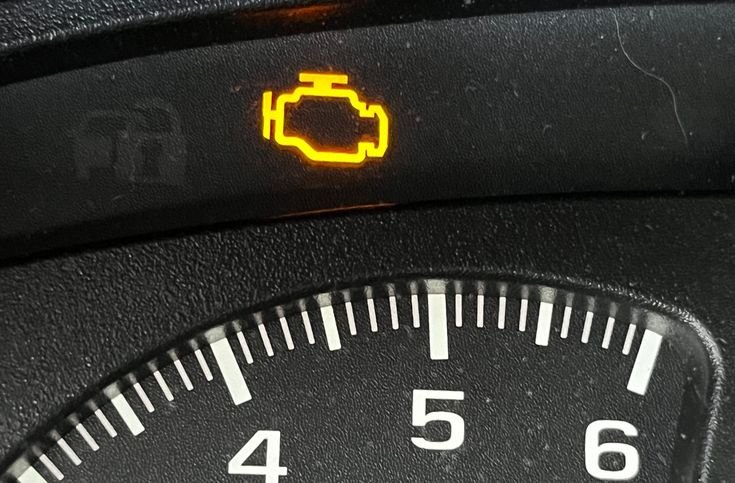
Nissan vehicles are known to have a few common causes for the blinking check engine light. The most frequent issue in Nissan cars and trucks is a faulty ignition coil or worn spark plugs.
Nissan uses individual ignition coils for each cylinder. When one of these coils fails, that cylinder stops firing and the engine misfires. This triggers the blinking check engine light in Nissan vehicles.
The fix for most Nissan blinking check engine light problems is to replace the faulty ignition coil and the spark plug in the affected cylinder. It is often recommended to replace all spark plugs at the same time since they all wear out at a similar rate.
Another common cause in older Nissan models is a cracked intake manifold gasket which causes a vacuum leak. If you drive a Nissan and see the blinking check engine light, use an OBD2 scanner to check for cylinder specific misfire codes like P0301, P0302, P0303, or P0304. These codes tell you exactly which cylinder is misfiring.
Blinking Check Engine Light Ford
Ford vehicles including popular models like the Ford F-150, Ford Focus, and Ford Fusion can also experience the blinking check engine light for similar reasons.
In Ford vehicles the most common causes are bad ignition coils, worn spark plugs, and fuel injector problems. Ford engines with high mileage are especially prone to ignition coil failure.
One thing specific to Ford is the use of coil on plug ignition systems. Each spark plug has its own coil sitting directly on top of it. When one coil fails, the misfire is usually isolated to one cylinder and the blinking check engine light turns on.
Ford also commonly shows misfire codes like P0301 through P0308 depending on how many cylinders the engine has. If you see the blinking check engine light on a Ford, start by scanning for codes and then checking the ignition coils and spark plugs.
Replacing coils and plugs on a Ford is usually straightforward and not very expensive, especially on four cylinder engines.
Blinking Check Engine Light Toyota
Toyota vehicles are generally very reliable but they can still get the blinking check engine light from time to time.
In Toyota cars and trucks, the most common causes of the blinking check engine light are worn spark plugs, bad ignition coils, and sometimes a dirty mass airflow sensor.
Toyota vehicles also use a coil on plug ignition system on most modern engines. A single failed ignition coil will cause a misfire and trigger the blinking check engine light. Toyota misfire codes follow the same P0301 to P0306 pattern depending on the engine.
One thing worth knowing about Toyota vehicles is that they sometimes show the blinking check engine light due to a dirty or faulty mass airflow sensor. This sensor measures how much air is entering the engine. When it gets dirty, it sends wrong information to the car’s computer which can cause a misfire like situation.
Cleaning the mass airflow sensor with a special cleaner spray is often enough to fix this issue in Toyota vehicles. If cleaning does not help, the sensor may need to be replaced.
Blinking Check Engine Light Hyundai
Hyundai vehicles including the Hyundai Elantra, Sonata, and Tucson can also show the blinking check engine light.
The most common causes in Hyundai vehicles are spark plug wear, ignition coil failure, and fuel injector issues. Hyundai engines also use coil on plug systems so a single bad coil can trigger the problem.
One thing that is more specific to some Hyundai models is a problem with the direct injection fuel system. Some Hyundai engines use direct injection where fuel is sprayed directly into the cylinder. Over time, carbon deposits can build up on the intake valves and cause misfires. This can trigger the blinking check engine light in Hyundai vehicles.
If you drive a Hyundai and the blinking check engine light comes on, scan for misfire codes first. If the spark plugs and coils are fine, ask a mechanic to check the fuel injectors and inspect for carbon buildup on the intake valves.
Flashing Check Engine Light but Car Runs Fine
Some drivers see the flashing check engine light but feel that the car is running completely fine. The engine sounds normal, the car has full power, and there is no shaking or strange behavior.
This situation is actually more common than people think. It usually happens because the misfire is very small and the driver cannot feel it. The car’s computer is sensitive enough to detect even tiny misfires that the driver cannot feel.
Just because the car feels fine does not mean the problem is not serious. Even a small misfire that you cannot feel is still sending unburned fuel into the exhaust. Over time this will damage the catalytic converter.
Another reason the car might feel fine is that the misfire happened once or twice and then stopped. But the error code is still stored in the computer and the light is still flashing or recently flashed.
Do not wait to get this checked just because the car feels okay. Get the OBD2 codes read and fix the root cause before it becomes a bigger and more expensive problem.
What Happens If You Ignore the Flashing Check Engine Light
Ignoring the flashing check engine light is a very bad idea. Here is what can happen if you keep driving without fixing the problem.
The catalytic converter can get damaged from all the unburned fuel entering the exhaust. A new catalytic converter can cost anywhere from a few hundred to over a thousand dollars.
The engine can lose power and start running very roughly. This makes the car unpleasant and unsafe to drive.
The internal engine parts like pistons, valves, and cylinder walls can get damaged from the heat and stress caused by repeated misfires.
In the worst case, you might end up with engine damage so serious that the repair cost is more than the car is worth.
Fixing the flashing check engine light early is almost always much cheaper than waiting.
How to Prevent the Flashing Check Engine Light
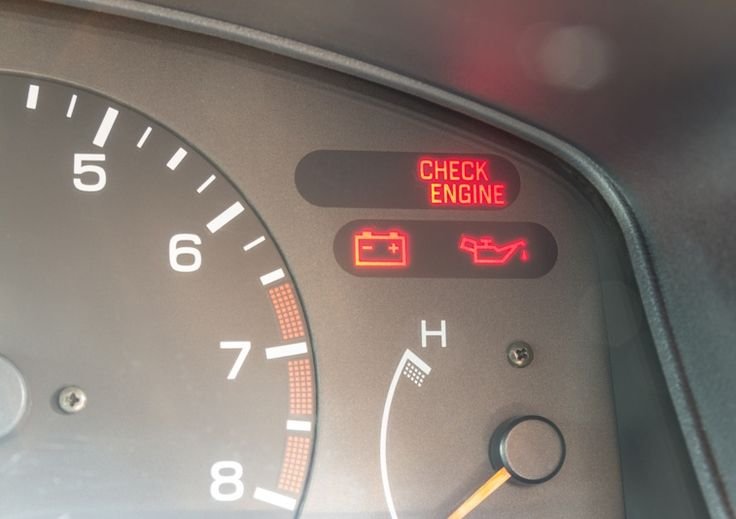
Keeping your car well maintained is the best way to prevent the flashing check engine light from ever appearing. Here are the most important things to do.
Replace spark plugs at the intervals recommended by your car manufacturer. Most spark plugs need to be replaced every 30,000 to 100,000 miles depending on the type.
Get the ignition coils checked during regular service visits. Replace any that show signs of wear.
Keep the fuel system clean by using quality fuel and occasionally using a fuel system cleaner.
Get regular engine checkups and address any small problems before they become big ones.
Check the air filter regularly and replace it when it is dirty. A clogged air filter can affect the air and fuel mix and cause misfires.
Conclusion
A flashing check engine light is a serious warning that should never be ignored. It almost always means the engine is misfiring and unburned fuel is damaging the catalytic converter. Whether you drive a Nissan, Ford, Toyota, Hyundai, or any other car, the causes and solutions are usually similar. Worn spark plugs, bad ignition coils, and fuel system problems are the most common reasons.
If you see the flashing check engine light, slow down, pull over safely, and get the car diagnosed as soon as possible. Use an OBD2 scanner to find the error code and fix the problem. If the car is shaking badly, do not drive it at all and get it towed to a mechanic.
Taking care of this problem quickly will save you from very expensive repairs and keep your car running safely for a long time.

Adnan Aslam is passionate about helping everyday drivers understand their vehicles better. Through CarFixedExpert.com, he shares clear, step-by-step car maintenance guides written in simple language. His goal is to make basic repairs and maintenance easy, safe, and affordable for everyone.
He believes that even small car knowledge can save money and prevent major problems. His content focuses on practical advice, safety awareness, and beginner-friendly explanations.