Car Engine Overheating: Top Causes, Symptoms, and How to Fix It
Car engine overheating is one of the most serious problems a driver can face. Whether you are driving on a highway or sitting in traffic, an overheating engine can stop your car completely and cost you a lot of money in repairs. The worst part is that many drivers do not know what to do when their engine starts getting too hot.
This article explains everything you need to know about car engine overheating. You will learn what causes it, what the symptoms are, and how to fix it quickly and safely.
What Is Car Engine Overheating?
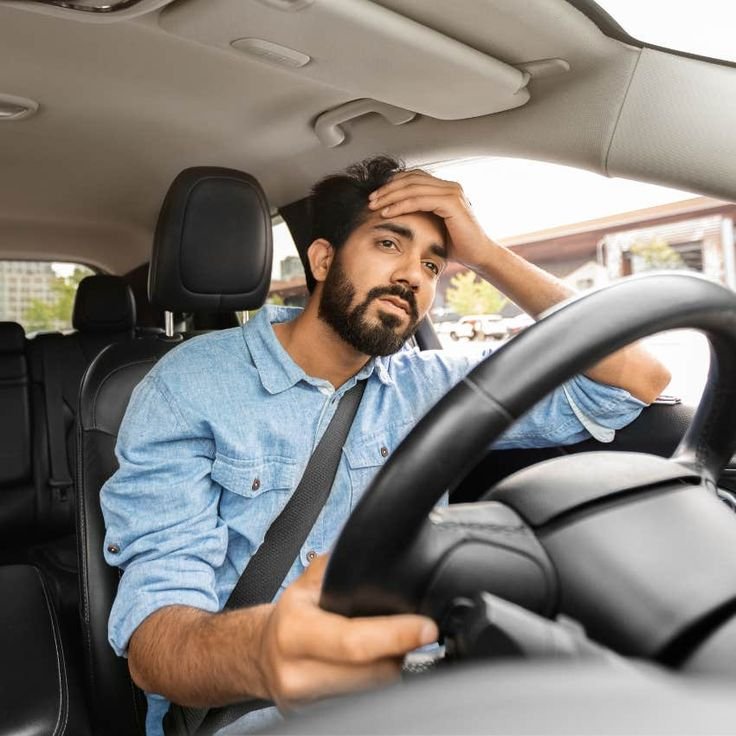
Car engine overheating happens when the temperature inside the engine goes higher than it should. A normal car engine works best between 195 and 220 degrees Fahrenheit. When the temperature goes above this range, the engine starts to get damaged.
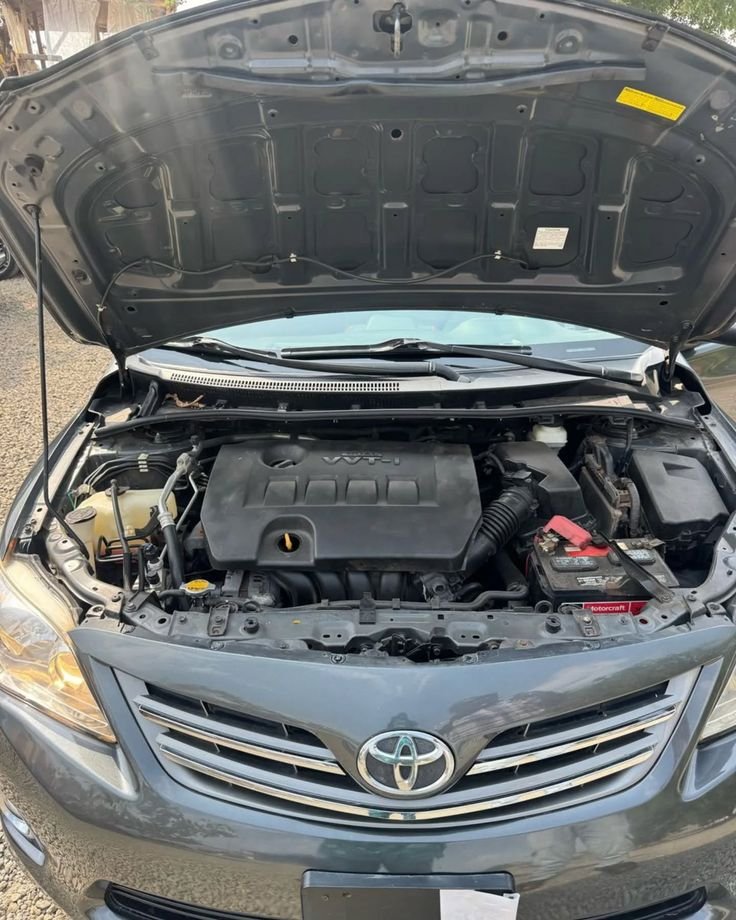
The engine has a cooling system that keeps the temperature under control. This system uses coolant, a radiator, a water pump, and a thermostat to keep things cool. When any one of these parts stops working properly, the engine temperature rises and the car starts to overheat.
If you do not fix this problem quickly, your engine can get seriously damaged. Parts like the head gasket, cylinders, and engine block can all be ruined by too much heat. This is why it is important to understand this problem and fix it as soon as possible.
Common Causes of Car Engine Overheating
There are many things that can cause a car engine to overheat. Here are the most common ones explained in simple words.
Low Coolant Level The most common cause of overheating is low coolant. Coolant is the liquid that flows through the engine and carries heat away. When there is not enough coolant in the system, the engine does not cool down properly, and the temperature rises. Coolant can go low because of a leak or simply because it has not been checked and topped up for a long time.
Broken Radiator The radiator cools the hot coolant before it goes back into the engine. If the radiator is damaged or blocked with dirt and rust, it cannot do its job properly. This means the coolant going back into the engine is still hot, and the engine temperature keeps rising.
Faulty Thermostat: The thermostat controls how much coolant flows through the engine. When the engine is cold, the thermostat stays closed. When the engine warms up, it opens to let coolant flow through. If the thermostat gets stuck in the closed position, coolant cannot flow and the engine overheats.
Broken Water Pump The water pump pushes the coolant through the engine and cooling system. If the water pump breaks or stops working, the coolant stops moving and the engine gets hot very fast.
Coolant Leaks: Leaks in the cooling system are a very common cause of overheating. The leak can happen in the hoses, the radiator, the water pump, or the head gasket. Even a small leak can cause the coolant level to drop over time and lead to overheating.
Broken Cooling Fan The cooling fan pulls air through the radiator to keep the coolant cool. If the fan stops working, especially when the car is moving slowly or standing still, the radiator cannot cool the coolant properly, and the engine starts to overheat.
Blocked Radiator Sometimes the radiator gets blocked from the outside by leaves, dirt, or bugs. This stops air from passing through it, and the coolant cannot be cooled down. A blocked radiator can be fixed easily by cleaning it regularly.
Head Gasket Failure A blown head gasket is a serious cause of overheating. The head gasket seals the engine and keeps oil and coolant separate. When it fails, coolant can mix with oil or leak out, and the engine loses its ability to stay cool.
Symptoms of Car Engine Overheating
Knowing the symptoms of overheating can help you catch the problem early before it gets worse. Here are the most common warning signs.
- Temperature gauge goes to red. If the gauge moves toward the red zone or the letter H, your engine is getting too hot. This is one of the first and most obvious signs.
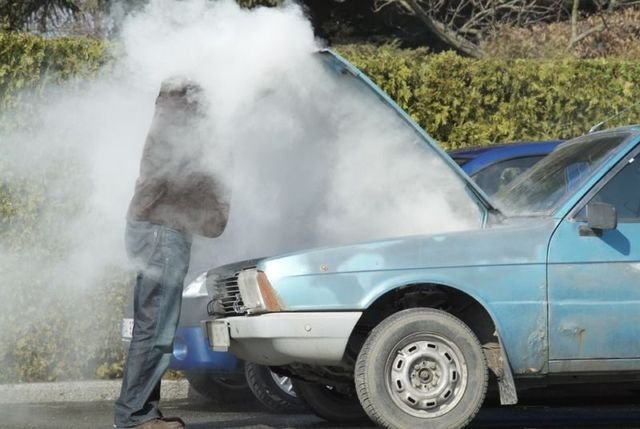
- Steam coming from under the hood. This happens when the coolant gets so hot that it boils and escapes from the system. Do not open the hood right away, as the steam can cause serious burns.
- Burning smell. A burning smell from the engine area can mean burning oil, burning coolant, or hot rubber hoses. Any burning smell means something is too hot and needs to be checked.
- Engine warning light. Most modern cars have a warning light for high engine temperature. If this light comes on, pull over safely and let the engine cool down.
- Loss of power. When an engine gets too hot, the car may feel slow, struggle to speed up, or shake while driving.
- Unusual noises. Overheating can cause knocking or ticking sounds from the engine as metal parts expand from the heat.
- Coolant leaking under the car. Coolant is usually green, orange, or pink in color and has a sweet smell. A puddle under your car after parking is a warning sign.
- White smoke from the exhaust. This is a sign that coolant is burning inside the engine, which often points to a blown head gasket.
Engine Overheating but Coolant Is Full
Many drivers are confused when their engine overheats even though the coolant level is full. This is a common situation, and the problem is usually one of the following.
The thermostat could be stuck and not letting the coolant flow through the engine. Even with plenty of coolant in the system, it cannot do anything if it is not circulating. The water pump could be broken and unable to push the coolant around. There could be air bubbles trapped in the cooling system, which stop coolant from flowing properly and cause hot spots in the engine. The head gasket might also be blown, pushing hot gases into the cooling system and causing overheating even when the coolant level looks fine.
If your coolant is full but your engine is still overheating, take your car to a mechanic and ask them to check the thermostat, water pump, and head gasket.
Engine Overheating at Idle
Some cars only overheat when sitting still or moving slowly in traffic. When a car is moving fast, air flows through the radiator naturally and cools the coolant. But when the car is standing still, the cooling fan has to do all the work. If the fan is broken or not working at full speed, the radiator cannot cool the coolant properly.
Other reasons for overheating at idle include low coolant level, a blocked radiator, or a broken thermostat. If your car only overheats in traffic or when standing still, the cooling fan is the first thing to check.
How to Diagnose an Overheating Engine
Follow these steps to find out what is causing the problem.
- Check the coolant level. Open the hood when the engine is cold and check the coolant level in the overflow tank. If it is low, top it up and look for leaks.
- Check for leaks. Look under the car and around the engine for any signs of coolant leaking. Check the hoses, radiator, and water pump for wet spots or stains.
- Check the radiator. Look at the front of the radiator and check if it is blocked by dirt, bugs, or leaves. Clean it if needed.
- Check the cooling fan. Start the car and let it warm up. Check if the cooling fan turns on when the engine reaches normal temperature. If it does not, the fan or its motor may be broken.
- Check the thermostat. If everything else looks fine, the thermostat might be stuck. A mechanic can test and replace it easily.
- Check for head gasket problems. If there is white smoke from the exhaust, the coolant level keeps dropping without visible leaks, or the oil looks milky, the head gasket might be blown. This requires a mechanic to fix.
What to Do If Your Car Overheats While Driving
If your engine starts overheating while you are on the road, follow these steps in order.
- Turn off the air conditioning. AC puts extra load on the engine, so switch it off immediately.
- Turn on the heater. Turning the heater on full blast helps pull heat away from the engine. The heater works like a small radiator and can help bring the temperature down slightly.
- Pull over safely. As soon as you can, pull over and turn off the engine. Do not keep driving with an overheating engine, as it can cause very serious and expensive damage.
- Wait at least 30 minutes. The engine and coolant are extremely hot. Do not open the hood or touch anything until the engine has cooled down completely.
- Check the coolant level. Once the engine is cool, carefully open the coolant reservoir and check the level. If it is low, add coolant or clean water as a temporary measure.
- Call a mechanic. If the engine continues to overheat, call a mechanic or roadside assistance. Do not keep driving the car until the problem is properly diagnosed and fixed.
How to Prevent Car Engine Overheating
Taking care of your cooling system is the best way to avoid overheating problems. Here are simple steps you can follow.
- Check your coolant level every month and top it up when needed.
- Flush the cooling system and replace the coolant every two to three years.
- Check the radiator regularly for blockages and damage.
- Replace the thermostat as part of your regular maintenance schedule.
- Check the water pump for leaks or signs of wear.
- Keep an eye on the temperature gauge every time you drive.
- Follow your car manufacturer’s service schedule and get regular checkups done.

Conclusion
Car engine overheating is a serious problem, but it is one you can prevent and fix if you know what to look for. The most common causes are low coolant, a broken radiator, a stuck thermostat, and a faulty water pump. The most common symptoms are a rising temperature gauge, steam from the hood, burning smells, and loss of power.
If your engine overheats while driving, turn off the air conditioning, turn on the heater, and pull over safely. Never keep driving an overheating engine because the damage it causes is costly and sometimes impossible to repair.
Regular maintenance and simple monthly checks are all it takes to keep your cooling system working well and your engine running strong for years to come.

Adnan Aslam is passionate about helping everyday drivers understand their vehicles better. Through CarFixedExpert.com, he shares clear, step-by-step car maintenance guides written in simple language. His goal is to make basic repairs and maintenance easy, safe, and affordable for everyone.
He believes that even small car knowledge can save money and prevent major problems. His content focuses on practical advice, safety awareness, and beginner-friendly explanations.