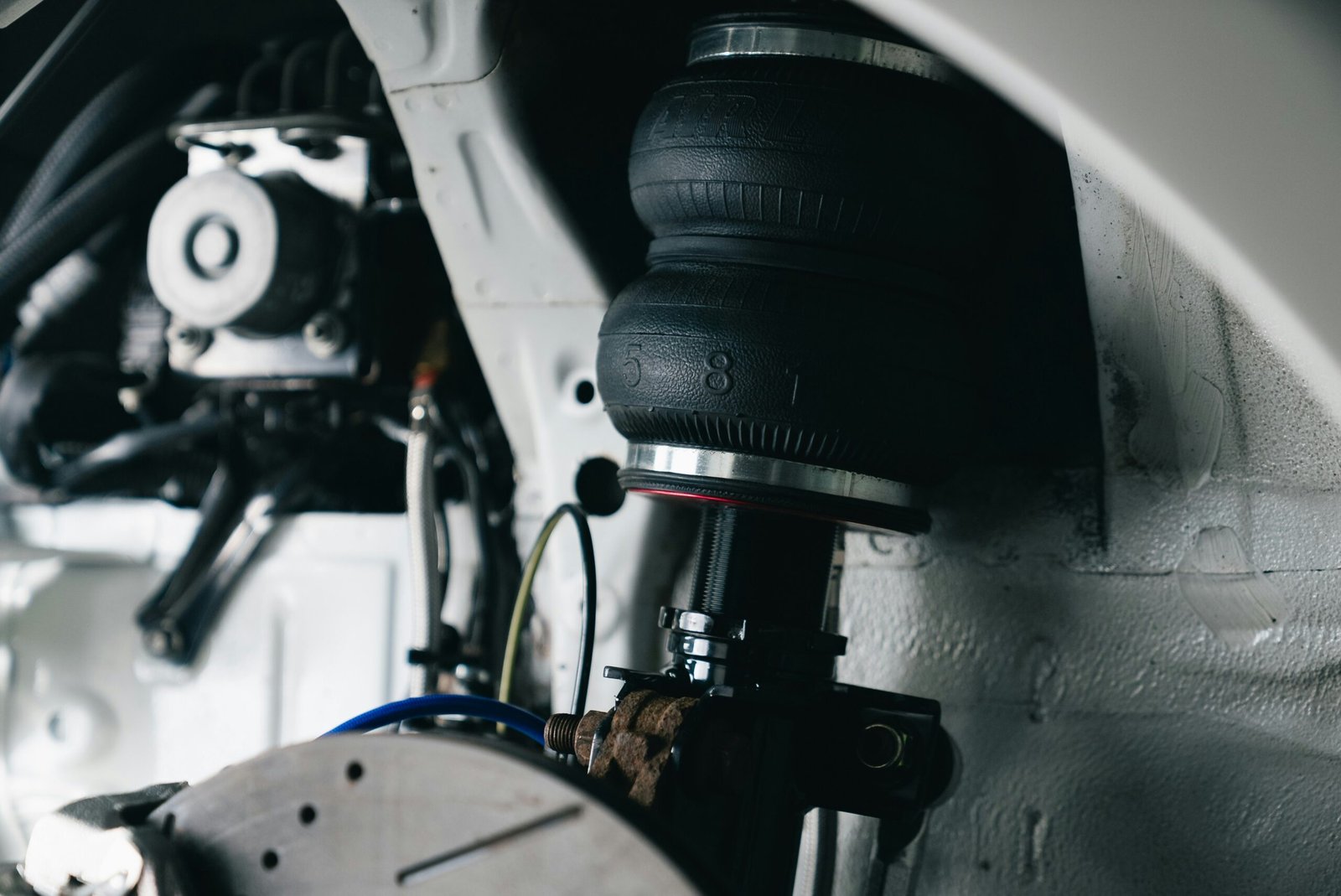
My Car Was Bouncing Like a Trampoline. Here’s What Was Actually Wrong
I still remember the exact moment I realized something was seriously wrong with my car.
It was a regular evening, coming back from work. I hit that familiar speed bump near my street, the one I’ve gone over maybe a thousand times, and instead of the usual thud and settle, my car just kept going. Bounce. Bounce. Bounce again. Like I was driving a shopping cart with broken wheels.
I slowed down and thought, okay, maybe I hit it too fast. So I went over the next one carefully. Same thing. The car rocked back and forth for a good four or five seconds before it finally calmed down.
That’s not normal. I knew it wasn’t normal. But did I go to a mechanic the next day? Of course not. I told myself it was probably nothing and drove like that for almost three weeks.
Big mistake. But I’ll get to that.
Why a Bouncy Car Feels Easy to Ignore
Here’s the thing about this problem. It doesn’t stop you from driving. The car still starts, still moves, still gets you from A to B. So it’s really easy to push it to the back of your mind.
I even got used to it after a while. You know how you adapt? I started slowing down before every bump like I was defusing a bomb. “Okay, here comes the railway crossing… brace yourself…” That became my routine.
My wife pointed it out one day. She got in the car and, after the first speed bump, said, “Why is the car bouncing so much?” I said, “Oh, that? Yeah, it does that sometimes.” She gave me a look. You know the look.
That was the push I needed.
What’s Actually Happening When Your Car Bounces
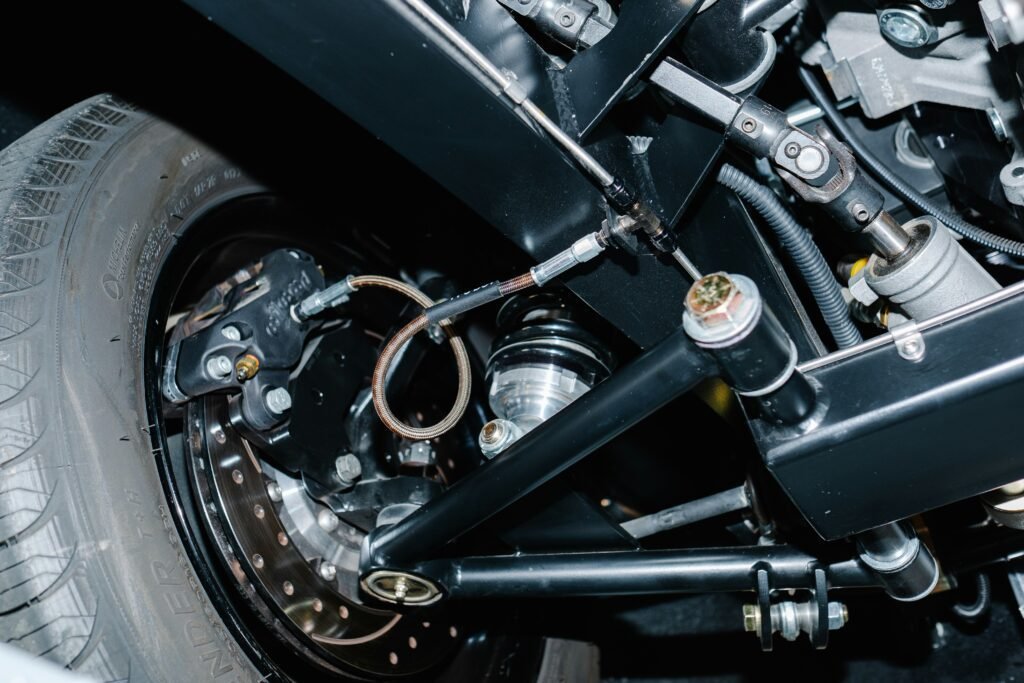
When your car goes over a bump, the suspension system is supposed to absorb that hit and bring the car back to normal almost immediately. Think of it like a shock absorber on a bicycle. You go over a rock; it compresses, releases, and is done. Smooth.
When your shock absorbers or struts are worn out, they can’t control that movement anymore. So the car compresses over the bump just fine, but on the way back up, instead of stopping, it keeps going. Up, down, up, down. The energy has nowhere to go, so it just keeps bouncing until it naturally dies out.
That’s the simple version. And honestly, that simple explanation is what your mechanic should tell you first before throwing part numbers at you.
The Bounce Test — Do This Right Now
Before you spend any money, do this test yourself. It takes two minutes.
Go to the front of your car. Push down hard on the hood with both hands; really lean into it. Then let go quickly.
Watch what happens.
If the car bounces once and stops, your shock absorbers are fine.
If it bounces two, three, or four times before settling, it’s worn out.
Do the same at the rear. Push down on the boot area and release.
I did this test in my driveway, and the front bounced four times. Four. I counted. My neighbor walked past while I was doing this and asked if I was trying to start it manually. We both laughed, but honestly, it was not a great sign.
What Causes This—The Real Culprits
When I finally took the car in, my mechanic found a few things. Let me tell you what he explained because it actually made sense.
Worn Shock Absorbers
This was my main problem. Shock absorbers have fluid and a piston inside. Over time, the fluid breaks down and the piston loses its resistance. They don’t fail suddenly. They just slowly get worse over months and years until one day you notice your car bouncing like mine did.
My car has done over 80,000 kilometers. The shock absorbers were original. My mechanic said he was actually surprised they lasted that long given the roads we have around here. Some roads just beat suspension faster than others.
Worn Struts
Some cars use struts instead of separate shock absorbers. Struts are bigger; they’re part of the steering system too, and when they go bad, the car doesn’t just bounce. It also starts to feel vague and loose when you steer. Like the car isn’t quite sure where you want to go.
If you feel both bouncing AND some looseness in the steering, struts are likely the issue.
Weak Springs
Springs sit inside or around the shock absorbers and support the weight of the car. When a spring gets weak or breaks, one corner of the car will sit lower than the others. You might notice the car looking uneven when parked on flat ground.
My car didn’t have this problem, but my brother’s compact sedan did. The rear right corner was visibly lower. He thought it was just tires. It was a broken spring.
Worn Sway Bar Links
These are small connecting rods that keep the car balanced side to side. When they wear out, you usually hear a knocking sound over bumps, like something loose underneath. If your bouncing comes with a clunk or knock noise, this is worth checking. They’re also one of the cheaper fixes.
Tire Pressure
Before you panic about suspension, check your tires. Over-inflated tires make the ride very hard and bouncy because there’s too much air pressure and not enough give. Under-inflated tires cause a different kind of wobble and bounce.
Check your tire pressure when the tires are cold, not right after driving. The sticker inside your driver’s door tells you the correct pressure. This is free to check and costs almost nothing to fix.
What Happens If You Keep Ignoring It
Remember when I said I drove like that for three weeks? Here’s what that cost me.
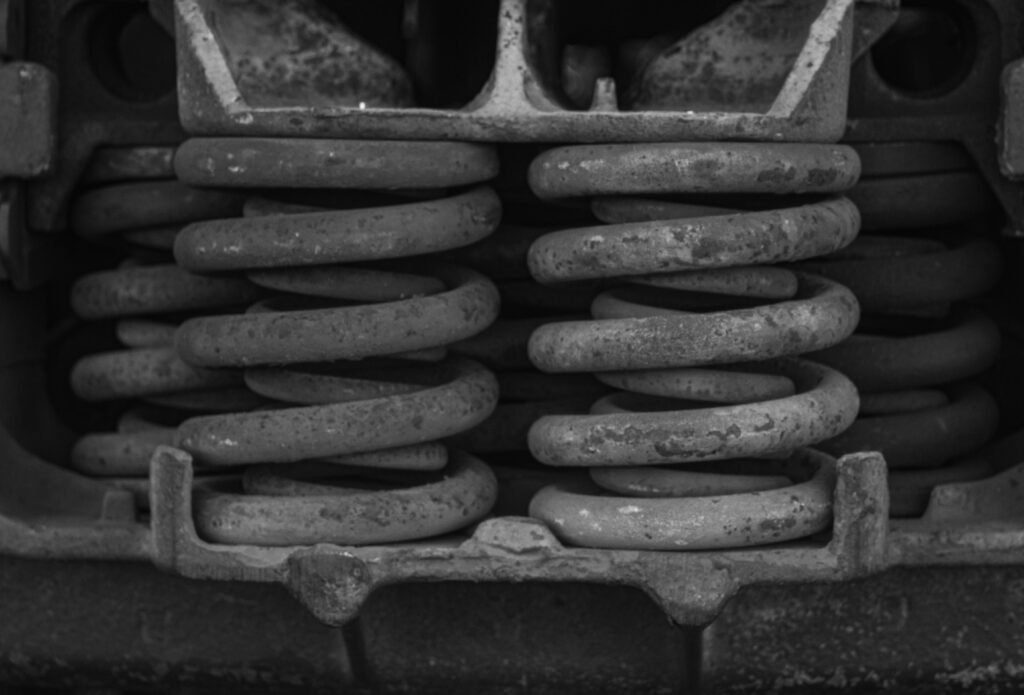
Worn shock absorbers don’t just cause bouncing. They put extra stress on everything else connected to the suspension: the springs, the ball joints, and the control arm bushings. It’s like running with a bad knee. You compensate, and then other things start hurting too.
When I finally went to the mechanic, he showed me the control arm bushings. They were cracked and worn. He said they probably would have lasted another year if the shocks had been replaced on time. But because the shocks were gone, the extra movement damaged the bushings faster.
So what could have been a straightforward shock absorber replacement became a slightly bigger job. Still manageable, but more than it needed to be.
If you keep ignoring it long enough, you’re looking at potential damage to ball joints too. Ball joints are not cheap. And a completely failed ball joint while driving is actually dangerous. Not the kind of dangerous where you slow down and get annoyed, but the kind where you lose control of the wheel entirely.
Not trying to scare you. Just being honest about what I learned.
How Much Does It Actually Cost
Real numbers, not guesses. Prices vary by country and car model, but here’s a general range to give you an idea of what to expect.
Replacing front shock absorbers on a regular family car like a Toyota Corolla or Honda Civic typically runs between $150 and $400 for the pair, including labor, at an independent mechanic. A dealership will charge more. Brand names like Gabriel, Monroe, or KYB tend to be reliable mid-range options.
Strut replacement is more involved and usually costs between $300 and $700 per axle depending on your car.
Sway bar links are usually the cheapest fix on this list. Expect to pay $50 to $150 for both sides, including labor. Quick job, big difference in how the car feels.
Get quotes from at least two mechanics before committing. Ask specifically what brand of parts they plan to use and whether the price includes an alignment check afterward.
Driving at High Speed With This Problem
One thing I want to specifically mention because it matters for safety.
At low speeds, a bouncy car is annoying. At high speeds, it becomes genuinely scary.
When I took my car on the highway before getting it fixed (I know, I know), it felt floaty and unstable above 60 mph. The car was moving slightly side to side, and when a truck passed me, the wind push made the car wander in a way that made my heart rate go up.
Worn shocks at highway speeds mean your tires aren’t staying in firm contact with the road. Your braking distance gets longer. Your steering response gets slower. Everything that keeps you safe on a fast road depends on the suspension working properly.
Please don’t do what I did. If your car is bouncing badly, keep it off the highway until it’s fixed.
Finding a Good Mechanic for This
My honest advice is to not go to the first mechanic you see. Suspension work requires someone who actually knows what they’re looking at.
I went to a guy who had been recommended by a friend. He put the car on a lift, showed me the shock absorbers, pressed on them by hand, and explained exactly what he was seeing. He didn’t just quote me a price and hand me an invoice. He explained why, showed me the bounce test result from underneath, and gave me options on parts’ quality.
That kind of mechanic is worth finding. Ask around. Local Facebook groups, car forums, Google reviews, and word of mouth from people who own similar cars are all good starting points.
After the Fix—What to Expect
When I got the shocks replaced, the difference was immediate. Honestly, embarrassingly obvious. I went over that same speed bump near my street, and it was just a thud. One clean thud, and the car settled. That’s it.
The steering felt tighter too. I hadn’t even realized how vague it had become until suddenly it wasn’t anymore.
My wife got in the car the next day, went over a bump, and said, “Oh, that’s how a car is supposed to feel.” Which was both a compliment to the mechanic and a small burn directed at me for waiting so long. Deserved.
Simple Things to Keep This From Happening Again
 Timing Belt Replacement: Complete Guide for Car Owners
Once you’ve had it fixed, a few habits will help it last longer.
Slow down over speed bumps. Not crawling speed, but enough that you’re not smashing the suspension repeatedly. This is the single biggest thing you can do.
Keep your tire pressure correct. Check it monthly. This takes three minutes at any gas station.
If you hit a really bad pothole, like properly fall into one, get the alignment checked. A hard impact can knock things out of position even if nothing breaks immediately.
Get a suspension check every 25,000 to 30,000 miles as part of regular service. Most workshops do this for free or very cheap. Catching worn bushings early is much cheaper than replacing ball joints later.
One Last Thing
Car bouncing after bumps almost always means your shock absorbers or struts are worn out. Do the push test on each corner. If it bounces more than once, get it checked. Don’t ignore it because it doesn’t stop you from driving. It gets more expensive the longer you wait. The fix is straightforward, and your car will feel completely different afterward.

Adnan Aslam is passionate about helping everyday drivers understand their vehicles better. Through CarFixedExpert.com, he shares clear, step-by-step car maintenance guides written in simple language. His goal is to make basic repairs and maintenance easy, safe, and affordable for everyone.
He believes that even small car knowledge can save money and prevent major problems. His content focuses on practical advice, safety awareness, and beginner-friendly explanations.