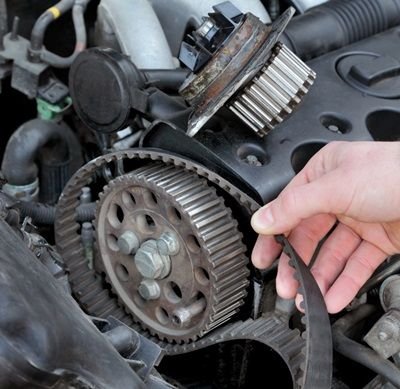
Timing Belt Replacement: Complete Guide for Car Owners
If you own a car, the timing belt is one of the most important parts you need to take care of. Most car owners never think about the timing belt until something goes wrong. By that time, the repair cost is already very high. This guide covers everything you need to know about timing belt replacement, including the cost, symptoms, how often to replace it, and recommendations by car make and model.
What is a Timing Belt
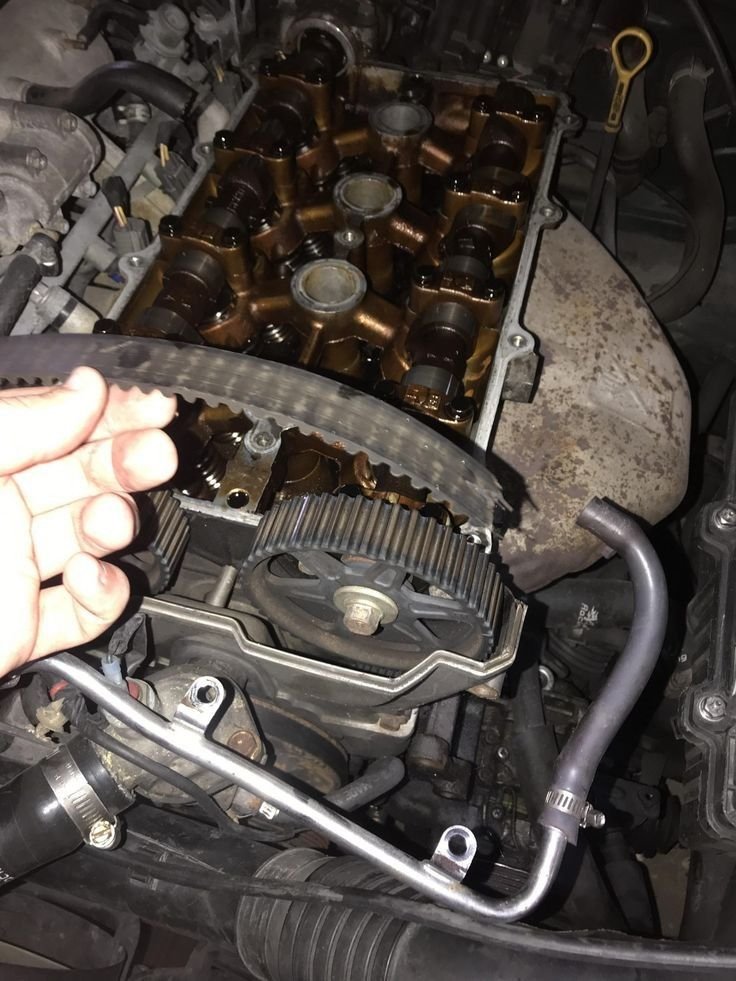
The timing belt is a rubber belt with teeth on the inside. It connects the crankshaft to the camshaft inside your engine. Its job is to make sure the engine valves open and close at exactly the right time. This keeps the pistons and valves moving in perfect sync.
Without a working timing belt, your engine cannot run properly. If the belt breaks while you are driving, the engine can suffer serious damage within seconds. In many cars, a broken timing belt means the pistons crash into the open valves. This destroys the engine completely and can cost thousands of dollars to repair.
This is why timing belt replacement is not something you should delay or ignore.
Timing Belt Replacement Symptoms
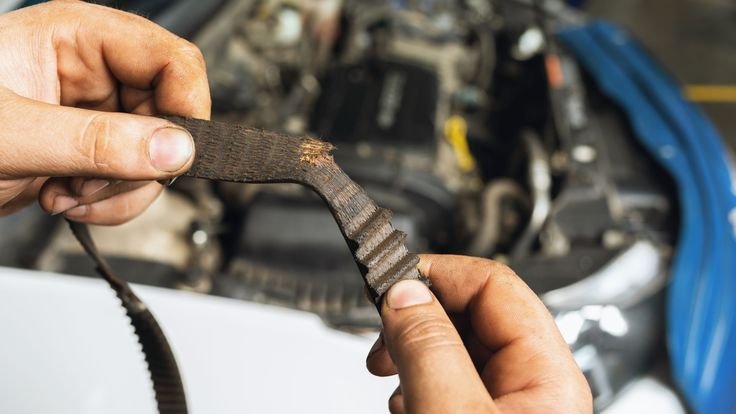
Your car usually gives you warning signs before the timing belt fails completely. If you notice any of the following symptoms, get your timing belt checked by a mechanic right away.
Ticking Noise From the Engine
A ticking or clicking sound coming from the engine is one of the most common symptoms of a worn timing belt. The belt has teeth that grip onto the gears. When the teeth start to wear down or the belt becomes loose, it creates a ticking sound. Do not ignore this noise because it means the belt is already in poor condition.
Engine Misfires
The timing belt controls when each cylinder fires. If the belt is worn or has slipped slightly, the engine timing gets thrown off. This causes the engine to misfire, meaning it does not run smoothly. You may feel the car shaking or notice a loss of power while driving.
Oil Leak Near the Timing Cover
The timing belt is covered by a plastic or metal cover. If you notice an oil leak coming from this area, it usually means the gasket around the timing cover has failed. Oil that drips onto the timing belt causes it to wear out much faster than normal. An oil leak near the timing cover should always be inspected quickly.
Difficulty Starting the Car
If the timing belt has slipped or broken, the engine will have trouble starting. You may turn the key and hear the engine cranking but it will not start. This happens because the camshaft and crankshaft are no longer in sync, so the engine cannot fire properly.
Visible Wear on the Belt
If your mechanic can see the timing belt during an inspection and it shows cracks, fraying, missing teeth, or glazing on the surface, it needs to be replaced immediately. A belt that looks old or damaged can snap at any time.
Engine Will Not Turn Over
In the worst case, the timing belt breaks completely and the engine stops working entirely. If you are driving and the engine suddenly stops and will not restart, there is a good chance the timing belt has snapped. At this point the engine may already have internal damage.
Timing Belt Replacement How Often
One of the most common questions car owners ask is how often the timing belt should be replaced. The honest answer is that it depends on your specific car.
Most manufacturers recommend replacing the timing belt every 60,000 to 100,000 miles. In kilometers that is roughly every 100,000 to 160,000 km. Some newer cars have extended replacement intervals of up to 105,000 miles.
However, mileage is not the only factor. Time matters too. Even if you do not drive much, the rubber in the timing belt breaks down over time. Most mechanics recommend replacing the timing belt every 5 to 7 years regardless of mileage.
The best thing you can do is check your car’s owner manual. The manufacturer lists the exact replacement interval for your specific engine. Following this schedule prevents the belt from failing unexpectedly.
Never wait for symptoms before replacing the timing belt. By the time symptoms appear, the belt is already in danger of snapping. Replacing it on schedule is always cheaper than dealing with a broken belt and damaged engine.
Timing Belt Replacement KM
Here is a general guide based on kilometers for different types of cars:
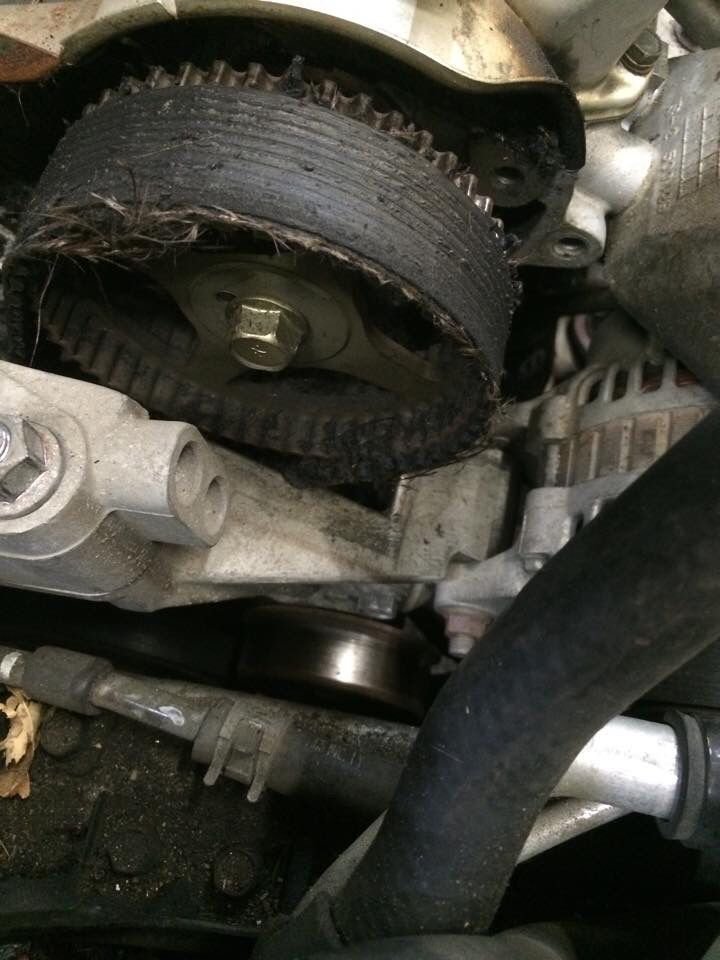
Most petrol engine cars need timing belt replacement between 100,000 km and 160,000 km. Diesel engine cars often need it sooner, around 80,000 km to 120,000 km, because diesel engines work under higher compression and put more stress on the belt.
If you have bought a used car and do not know when the timing belt was last replaced, take it to a mechanic and have it inspected immediately. Never assume the previous owner followed the maintenance schedule. A mechanic can check the condition of the belt and tell you whether it needs to be replaced soon.
Timing Belt Replacement Cost
The cost of timing belt replacement varies depending on your car make and model and the labor rates in your area.
In general, timing belt replacement costs between $300 and $1,000 in the United States. This includes both parts and labor. The timing belt itself is not expensive. The belt usually costs between $25 and $80. The rest of the cost is labor because the mechanic has to remove several engine components to reach the belt.
Most mechanics will also recommend replacing the water pump, tensioner, and idler pulleys at the same time. This is because these parts are in the same area and require the same labor to access. Replacing them together saves money in the long run because you avoid paying for the same labor twice.
Here is a rough cost breakdown:
Timing belt only: $25 to $80 for parts
Labor: $200 to $700 depending on the car
Water pump replacement at the same time: $50 to $100 extra for parts
Full timing belt kit with water pump: $400 to $1,000 total
In Pakistan and other countries, the cost will be different. In Pakistan, timing belt replacement typically costs between PKR 8,000 and PKR 25,000 depending on the car model and workshop you visit.
Always get a quote from at least two or three mechanics before agreeing to the work. Ask specifically whether the quote includes the water pump and tensioner replacement as well.
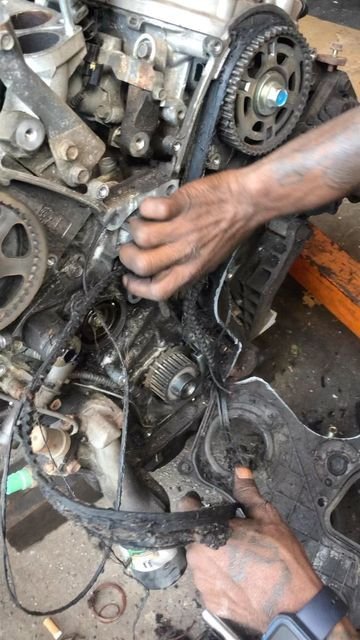
Timing Belt Replacement Recommendations by Make and Model
Different car brands have different timing belt replacement intervals. Here are the most common recommendations:
Toyota
Most Toyota petrol engines like the Corolla and Camry recommend timing belt replacement every 60,000 to 90,000 miles. Some newer Toyota models use a timing chain instead of a belt. Timing chains last the life of the engine and do not need regular replacement. Check your owner manual to confirm whether your Toyota has a belt or a chain.
Honda
Honda recommends timing belt replacement every 60,000 to 105,000 miles depending on the model. The Honda Civic and Honda Accord are among the most common models that require this service. Honda engines are interference engines, which means a broken timing belt will cause serious internal damage. Always follow the replacement schedule for Honda vehicles.
Suzuki
Many Suzuki cars popular in Pakistan like the Suzuki Mehran, Cultus, and Alto use timing belts. Suzuki generally recommends replacement every 60,000 km to 80,000 km for these models. Because these cars are driven heavily in city traffic, it is safer to replace the belt closer to the 60,000 km mark.
Hyundai and Kia
Most Hyundai and Kia models recommend timing belt replacement every 60,000 miles. Models like the Hyundai Elantra and Kia Sportage use interference engines, making timely replacement very important.
Volkswagen
Volkswagen recommends replacement every 40,000 to 60,000 miles for many of its diesel engines. VW diesel engines are known for needing more frequent timing belt changes compared to petrol engines. Never skip or delay this service on a VW diesel.
Ford
Most Ford models recommend replacement between 60,000 and 100,000 miles. Some Ford engines use a timing chain, so again check your specific model in the owner manual.
Nissan
Many Nissan models use timing chains rather than belts. However, some older Nissan models do use timing belts. If you have an older Nissan, check the owner manual or ask a mechanic to confirm which system your car uses.
Can You Drive With a Bad Timing Belt
The short answer is no. You should never continue driving if you suspect your timing belt is worn or failing. A timing belt can snap without any warning. When it does, the engine stops immediately and the damage can be catastrophic.
If your car is showing any of the symptoms mentioned above, stop driving it and have it towed to a mechanic. The cost of towing and a new timing belt is much less than the cost of replacing an entire engine.
Timing Belt vs Timing Chain
Many car owners get confused between a timing belt and a timing chain. Here is the simple difference.
A timing belt is made of rubber with teeth on the inside. It is lighter and quieter but needs to be replaced on a regular schedule. A timing chain is made of metal links, similar to a bicycle chain. It is heavier and louder but generally lasts the life of the engine without needing replacement.
If your car has a timing chain, you do not need to follow a replacement schedule. However, you should still have the chain inspected if you hear unusual engine noises or if the oil has not been changed regularly. Old and dirty oil causes timing chain wear.
What Happens If You Do Not Replace the Timing Belt
If you skip the timing belt replacement, the belt will eventually snap. Here is what happens next depending on your engine type.
In an interference engine, the pistons and valves share the same space. When the timing belt breaks, the pistons crash into the open valves. This bends the valves and damages the pistons. The engine needs a complete internal rebuild or full replacement. This repair can cost between $1,500 and $4,000 or more.
In a non-interference engine, the pistons and valves do not share the same space. If the belt breaks, the engine simply stops running but the internal parts are not damaged. You will still be stranded on the road and need a tow, but the repair cost is much lower.
Most modern engines are interference engines, so the risk of skipping timing belt replacement is very high.
Tips for Timing Belt Replacement
Always replace the water pump, tensioner, and idler pulleys at the same time as the timing belt. These parts are in the same area and will be replaced for the cost of parts only since the labor is already being done.
Use only a genuine or high-quality aftermarket timing belt. A cheap belt may fail early and cause the same engine damage you were trying to avoid.
Keep a record of when the timing belt was replaced. Note the date and mileage in your service book so you always know when the next replacement is due.
If you buy a used car, inspect or replace the timing belt immediately if you do not have proof of when it was last changed.
Final Thoughts
The timing belt is a small rubber part that does a very big job inside your engine. Replacing it on schedule is one of the most important maintenance tasks for any car owner. The cost of replacement is small compared to the cost of a damaged engine.
Follow the manufacturer’s recommendation for your specific car, watch for the warning symptoms, and never delay this service. A little prevention today saves you from a very expensive repair tomorrow.

Adnan Aslam is passionate about helping everyday drivers understand their vehicles better. Through CarFixedExpert.com, he shares clear, step-by-step car maintenance guides written in simple language. His goal is to make basic repairs and maintenance easy, safe, and affordable for everyone.
He believes that even small car knowledge can save money and prevent major problems. His content focuses on practical advice, safety awareness, and beginner-friendly explanations.