BMW Oil Change: What the Dealer Won’t Tell You (But Should)
Let me be honest with you. The first time I tried to change the oil on my friend’s BMW 3 Series, I genuinely thought it would be just like any other car. Drain plug, oil filter, fresh oil done in 30 minutes.
Two hours later, I was sitting on the garage floor covered in oil, staring at a filter housing that had stripped itself, wondering how a “simple” oil change turned into a full afternoon disaster.
BMWs are not like regular cars. And the oil change process, while totally doable at home, has a few specific things that will absolutely catch you off guard if nobody warned you first.
This article is that warning.
Why BMW Oil Changes Feel Different
Most people who switch from a Toyota or Honda to a BMW notice it immediately. Everything about the maintenance feels a little more… particular.
The oil capacity is higher. The oil spec is specific. The filter is a cartridge style, not a spin-on. And there’s an oil change reminder system in the car that needs to be reset manually after you’re done.
Miss any one of these steps and you’ll either have an oil leak, a wrong oil type running through a very expensive engine, or a warning light staring at you every morning.
None of those are fun. I’ve seen all three happen.
What Oil Does a BMW Actually Need?
This is where most people go wrong first.
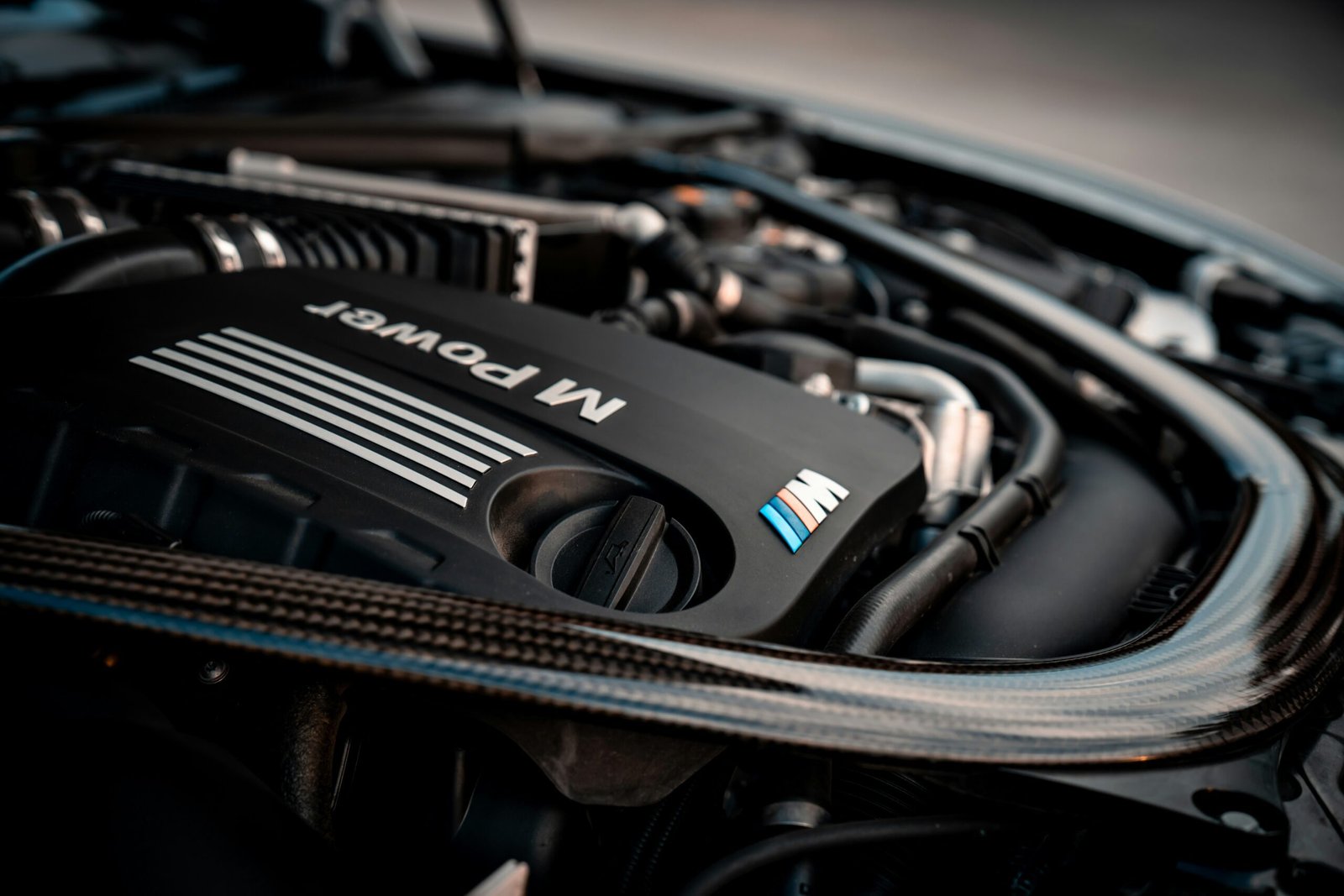
BMW engines are picky about oil. They’re not being dramatic; it’s just how they’re engineered. Most BMW petrol engines require a 0W-30 or 5W-30 fully synthetic oil that meets the BMW Longlife-04 specification. Some newer models want Longlife-17 FE+.
That spec matters. You can’t just grab whatever full synthetic is on sale at Walmart and call it a day.
I made this mistake once. Not on a BMW, thankfully, but I’ve watched someone do it. They used a good quality 5W-30 that didn’t meet the LL-04 spec. The engine ran fine for a while, but the car’s oil condition monitor was showing degradation faster than it should have. The chemistry matters.
Brands that reliably meet BMW specs: Castrol Edge 0W-30 LL, Mobil 1 0W-40, Liqui-Moly Leichtlauf 5W-30. Check the bottle for the BMW Longlife approval; it’s usually printed on the label.
When in doubt, check your owner’s manual. It lists the exact specs for your engine. Takes two minutes and saves a lot of grief.
How Much Oil Does a BMW Take?
This surprises people coming from smaller cars.
A typical four-cylinder, like a BMW 320i, takes around 5.5 to 6 liters. A six-cylinder like a 530i? Around 6.5 to 7 liters. The V8s in the 5 and 7 Series? You’re looking at 8 liters or more.
Buy more than you think you need. I always keep an extra liter on hand just in case. Running it slightly over is much safer than running it low while you go back to the shop.
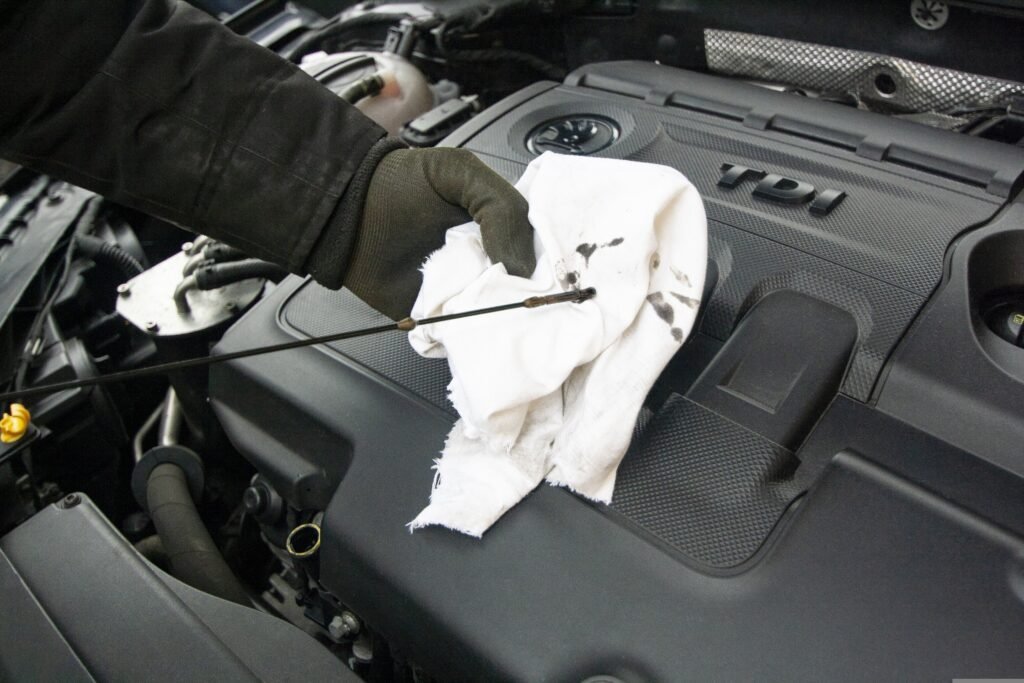
And check the dipstick after filling. BMWs have a real dipstick on most models. Use it.
Tools You’ll Actually Need
Here’s the honest list. Not the YouTube “you just need a wrench” list. The real one.
Oil filter housing tool: BMW uses a cartridge-style oil filter sitting inside a plastic housing. You need a 36mm oil filter socket to open it. Standard wrenches won’t fit. You can get the correct socket on Amazon for around $10 to $15. Search for “BMW oil filter cap wrench 36 mm.” “Worth every penny.
Torque wrench: The drain plug and filter housing both have specific torque specs. The drain plug is usually around 25 Nm. The filter housing cap is around 25 Nm too. Over-tighten either, and you’ll be cracking plastic or stripping threads. Under-tighten, and you’ll be leaking oil on your driveway.
Oil drain pan: Get one with at least an 8-liter capacity given the amount of oil BMWs hold.
Jack and jack stands or ramps: Unless you have a lift, you’re getting under the car. Please don’t just use a floor jack with nothing supporting it. That’s how accidents happen.
BMW-specific drain plug: BMW uses a crush washer on the drain plug that should be replaced every oil change. Some people reuse it. Some people get away with it. Some people end up with a slow leak. A new crush washer costs about 50 cents. Just replace it.
OBD2 scanner or BMW-specific tool for service reset: More on this below.

Step-by-Step: The Actual Oil Change Process
Okay, let’s get into it. This is based on doing this job a few times. It’s straightforward once you know the steps.
Step 1: Warm the engine up slightly
Run the car for about three to five minutes. Warm oil drains faster and more completely than cold oil. Don’t run it until it’s fully hot, or you’ll burn your hands reaching for the drain plug.
Step 2: Get the car safely elevated
Use ramps or jack stands. Never work under a car supported only by a floor jack. Once it’s up, locate the drain plug underneath. On most BMWs it’s on the bottom of the oil pan, facing down or slightly to the rear.
Step 3: Remove the drain plug
Use the correct size socket, usually 17mm on most BMW models. Put your drain pan in position before you loosen it, not after. This sounds obvious, but the number of people who start unscrewing and then scramble for the pan is higher than you’d think. Oil moves fast once the plug comes out.
Let it drain for at least 10 minutes. While it’s draining, move to the filter.
Step 4: Remove the oil filter housing
On most BMW engines, the filter housing is on top of the engine, which is actually really convenient. Use your 36mm socket and a ratchet to turn it counterclockwise. It’ll feel stiff at first.
When the housing comes off, the old filter cartridge is inside. Pull it out. There’s also an O-ring on the housing cap that should be replaced. New filters usually come with a replacement O-ring included. Use it.
Step 5: Install the new filter
Drop the new cartridge in. Make sure it sits properly. Put a tiny bit of fresh oil on the new O-ring before threading the housing back on. Hand-tighten first, then use your torque wrench to bring it to spec, around 25 Nm. Don’t gore it.
Step 6: Replace the drain plug
Put the new crush washer on the drain plug. Thread it in by hand first to make sure it’s not cross-threading. Then torque to spec, again around 25 Nm. If you’re not sure of the exact spec for your model, a quick Google search with your BMW model and year will give you the answer in seconds.
Step 7: Fill with fresh oil
The oil filler cap is on top of the engine. Hard to miss. Pour in your oil slowly. For a six-cylinder BMW, I start with 6 liters, then check the dipstick, then add a bit more if needed.
Step 8: Start the engine and check
Run it for a minute. Watch underneath for any drips. Check that the oil pressure warning disappears immediately on startup. If you see any leaks around the drain plug or filter housing, shut off the engine and investigate before driving anywhere.
Step 9: Check the oil level again
After running and then letting it sit for a couple of minutes, check the dipstick one more time. Top up if needed. You want it sitting between the min and max marks. Closer to max is fine.
Resetting the Oil Service Light
This is the step people forget and then panic about.
After the oil change, your BMW’s condition-based service system still thinks the oil is old. It won’t reset itself. You have to do it manually.
Without a scanner (works on most models):
Turn the ignition to position 1 (accessories on, engine off). Press and hold the trip reset button on the instrument cluster. After about 5 seconds, the service menu appears. Scroll to “Oil Service” or “Engine Oil.” Hold the button again to reset. On some models you confirm with a second press.
The exact sequence varies slightly by model and year. If this doesn’t work, search YouTube for “BMW [your model year] oil service reset,” and there will be a video showing exactly which buttons to press.
With an OBD2 scanner:
If you have a scanner that supports BMW service functions, like the Carly app with its BMW-specific adapter or a Foxwell NT510, you can reset it digitally through the service menu. Carly is particularly popular among BMW owners because it does a lot more than just resets. It reads fault codes, checks live data, and even does some coding. Around $80 for the adapter and subscription, but if you own a BMW long-term, it pays for itself.
How Often Should You Actually Change BMW Oil?
BMW’s onboard system recommends up to 15,000 miles or once a year. A lot of enthusiasts and mechanics will tell you that’s too long, especially if you’re doing lots of short trips or city driving.
My personal take: if you’re using quality oil that meets BMW’s spec and you’re doing mostly highway driving, 10,000 to 12,000 miles is reasonable. If you’re in stop-and-go traffic daily, I’d aim for every 7,500 miles.
Older BMWs, anything pre-2006 or so, really shouldn’t be going to 15,000 miles regardless. These engines were designed before modern long-life oil formulations existed. Every 7,500 miles is a safer interval.
Your oil is cheap. Your engine is not. That’s the only math that matters here.
What This Actually Costs You
Dealer oil change on a BMW: $150 to $250 depending on where you live and what model you have.
DIY cost breakdown:
- 7 litres of BMW-approved synthetic oil: around $60 to $70
- BMW oil filter cartridge (OEM or Mann filter): $10 to $20
- Crush washer: under $1
- 36mm socket if you don’t have one: $10 to $15
Total DIY cost: roughly $80 to $100. And you know exactly what went in and that it was done properly.
The first time has a bit of a learning curve. The second time takes about 45 minutes. By the third time you’ll wonder why you ever paid the dealer.

A Few Things I’ve Seen Go Wrong
Just so you’re aware of the common pitfalls:
Wrong oil spec. Already covered this, but it bears repeating. Check the label for the BMW Longlife approval.
Over-tightening the filter housing. The housing is plastic. Plastic doesn’t forgive over-tightening. Use a torque wrench, not your gut feeling.
Forgetting to replace the O-ring. The old one is compressed and deformed. Reusing it is asking for a slow leak around the filter housing.
Not resetting the service light. Your car will keep telling you the oil is due. It’s not dangerous, but it’s annoying, and you’ll second-guess yourself every time it flashes.
Overfilling. BMW engines don’t like oil overfills. Too much oil can cause foaming and actually reduce lubrication. Always check the dipstick. If you’ve overfilled, drain a little out. It’s tedious but important.
Final Thoughts
BMWs are genuinely great cars. They’re also cars that reward people who pay attention to the details. The oil change is a perfect example. Get the right oil, use the right tools, follow the torque specs, and reset the service reminder. None of it is complicated once you know what you’re doing.
And honestly, there’s something satisfying about doing it yourself. You know the job was done right. You saved $100 or more. And your BMW keeps running the way it should.
That’s a pretty good Saturday morning in my book.

Adnan Aslam is passionate about helping everyday drivers understand their vehicles better. Through CarFixedExpert.com, he shares clear, step-by-step car maintenance guides written in simple language. His goal is to make basic repairs and maintenance easy, safe, and affordable for everyone.
He believes that even small car knowledge can save money and prevent major problems. His content focuses on practical advice, safety awareness, and beginner-friendly explanations.