When I first started driving, I honestly believed that touching a car’s engine was illegal if you weren’t wearing a mechanic’s uniform. Every tiny sound or warning light meant an expensive trip to the workshop and a long wait. It took me years and some empty wallet moments to figure out something simple: most basic car maintenance is not rocket science. You don’t need a garage full of fancy tools or some certificate on the wall. You just need to care a little and show up consistently.
Doing these small jobs yourself does two beautiful things. First, it keeps your cash in your pocket. Second, and more importantly, your car starts talking to you. You notice when something feels off before it breaks completely. That is why I put together this practical vehicle inspection checklist. These are the exact ten things I now check at home without stressing. No mechanic needed. Just you, your car, and fifteen minutes.
1. Check and Change Engine Oil
Engine oil keeps internal parts lubricated and prevents overheating. Checking the oil level takes less than two minutes. Use the dipstick to see whether the oil level is between the minimum and maximum marks.
If the oil looks very dark and dirty, it may be time for a change. Replacing engine oil on time improves performance and increases engine life.
2. Inspect and Replace Air Filter
A dirty air filter reduces airflow to the engine, which can lower fuel efficiency. Open the air filter box, remove the filter, and check if it is clogged with dust.
Replacing an engine air filter is simple and affordable. A clean filter helps the engine breathe properly and improves mileage.
3. Check Tire Pressure Regularly
Incorrect tire pressure affects fuel economy and safety. Underinflated tires create more rolling resistance and wear out faster.
Use a tire pressure gauge and inflate according to the recommended PSI mentioned in your car manual or door sticker. Make this a monthly habit.
4. Rotate Tires
Tire rotation helps them wear evenly. If you feel uneven wear patterns or slight vibrations, rotating tires can extend their lifespan.
This task requires basic tools and can be done at home if you have a jack and proper safety support.
5. Replace Windshield Wipers
Old wiper blades leave streaks and reduce visibility during rain. Replacing them takes only a few minutes.
New wipers improve driving safety and ensure clear vision in bad weather.
6. Check Battery Condition
Open the hood and inspect the battery terminals. If you see white or green corrosion, clean it carefully.
Make sure the battery connections are tight. Weak batteries can cause starting problems, especially in extreme weather.
7. Top Up Coolant Level
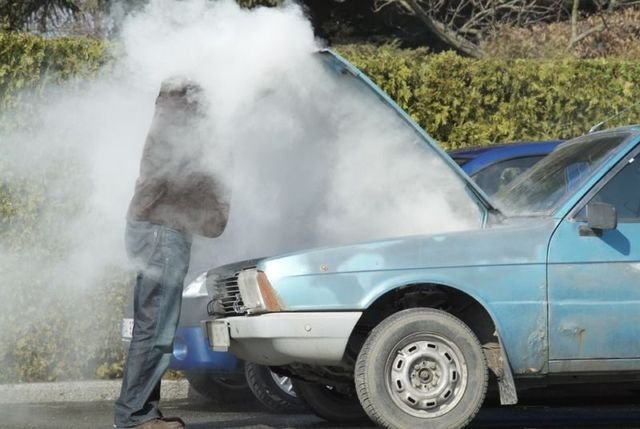
The coolant prevents the engine from overheating. Check the coolant reservoir level when the engine is cool.
If it is below the recommended level, top it up with the correct coolant mixture. Never open the radiator cap when the engine is hot.
8. Replace Cabin Air Filter
The cabin air filter keeps dust and pollution from entering the car interior. If airflow from the AC feels weak or there is a bad smell, the filter may be dirty.
Replacing it improves air quality and AC performance.
9. Check Brake Fluid
Brake fluid plays a key role in safe braking. Low brake fluid can affect brake response.
Locate the brake fluid reservoir and ensure the level is within the recommended range. If it is low frequently, have the braking system inspected.
10. Inspect Lights and Indicators
Walk around your car and check headlights, brake lights, reverse lights, and indicators.
Replacing a faulty bulb is simple and ensures your vehicle remains safe and road legal.
Final Thoughts
Basic car maintenance at home is not complicated. Small tasks like checking oil, maintaining tire pressure, replacing filters, and inspecting fluids can prevent major problems later.
When you regularly care for your car, it runs smoother, consumes less fuel, and lasts longer. Instead of waiting for something to break down, take a proactive approach.
A little effort today can save you from expensive repairs tomorrow.