Timing Belt Replacement: The Complete Guide for Car Owners
When it comes to vehicle maintenance, few components are as critical yet overlooked as the timing belt. This unassuming rubber belt works silently under your hood, synchronizing the engine’s valves and pistons with remarkable precision. However, like all mechanical parts, it eventually wears out, making timing belt replacement an inevitable responsibility for every car owner. Consequently, understanding when and how to perform a timing belt replacement can save you from catastrophic engine damage and expensive repairs down the road. Many drivers postpone timing belt replacement until it is too late, unaware that a simple maintenance step can prevent complete engine failure.
In this comprehensive guide, we will explore everything you need to know about timing belt replacement. From recognizing warning signs to understanding replacement costs, consider this your ultimate resource for keeping your engine running smoothly. Whether you plan to attempt a DIY timing belt replacement or visit a professional mechanic, the information provided here will help you make informed decisions about your vehicle’s care.
What Exactly Is a Timing Belt and Why Does It Matter?
The Engine’s Silent Conductor
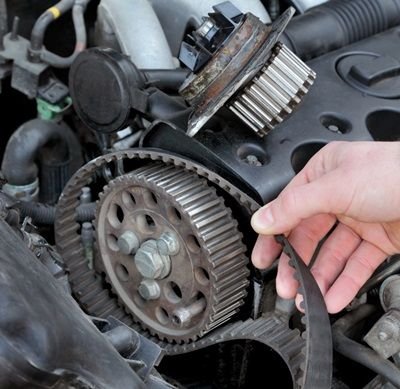
Before diving into replacement details, it is essential to understand what a timing belt actually does. Essentially, this toothed belt connects the crankshaft to the camshaft, ensuring that the valves open and close at precisely the right moments during each cylinder’s intake and exhaust strokes.
Here is why this matters:
Synchronization: The belt keeps the engine’s moving parts working in perfect harmony.
Protection: In interference engines, a broken belt allows pistons to crash into open valves.
Performance: A properly functioning belt ensures optimal fuel efficiency and power delivery.
Furthermore, modern engines depend entirely on this synchronization. Therefore, neglecting the timing belt is simply not an option for responsible car owners.
Critical Signs That Indicate Timing Belt Replacement
Listening to Your Car’s Warnings
Your vehicle rarely fails without warning. In fact, most timing belt issues present noticeable symptoms before complete failure occurs. Paying attention to these signs can prevent a roadside disaster.
Common warning signs include:
Ticking Noise from the Engine: This sound often indicates that the belt is loose or the teeth are wearing down.
Engine Misfires: Since the belt controls timing, a worn belt can cause cylinders to fire incorrectly.
Oil Leaks Near the Timing Cover: Conversely, oil contamination accelerates belt deterioration rapidly.
Difficulty Starting the Vehicle: A slipping belt disrupts the starting sequence significantly.
Visible Cracks or Wear: If you can inspect the belt, look for fraying, cracking, or glazing.
Important Note: Some vehicles have “non-interference” engines, meaning piston-to-valve contact won’t occur if the belt breaks. However, you will still be stranded unexpectedly. Therefore, proactive replacement remains the wisest approach regardless of engine type.
The Complete Timing Belt Replacement Process
Step-by-Step Breakdown
Replacing a timing belt is not a simple task for beginners. Nevertheless, understanding the process helps you appreciate what mechanics do and why costs vary.
Preparation Phase:
Gather Necessary Tools: You will need socket sets, torque wrenches, and specific holding tools.
Access the Belt: This typically involves removing the serpentine belt, engine mount, and timing covers.
Align Engine Timing: Markings must align perfectly before removal; otherwise, reassembly becomes problematic.
Removal Phase:
Release Tension: The tensioner pulley must be loosened carefully.
Remove Old Belt: Slide the old belt off the pulleys while maintaining camshaft position.
Inspect Surrounding Components: Meanwhile, check water pumps, tensioners, and idler pulleys for wear.
Installation Phase:
Install New Belt: Route the new belt exactly as the old one was positioned.
Double-Check Alignment: Rotate the engine manually to verify timing marks align correctly.
Replace Tensioner: Always install a new tensioner with the belt for optimal performance.
Reassemble Components: Reinstall covers, engine mounts, and drive belts systematically.
Final Verification:
Start the Engine: Listen for unusual noises during the first startup.
Test Drive: Verify smooth operation across various RPM ranges.
Recheck Tension: Some belts require a recheck after initial heat cycles.
Timing Belt Replacement Cost Breakdown
What Should You Expect to Pay?
Cost is undoubtedly the most common concern among car owners. Replacement expenses vary significantly based on several factors.
Average Cost Ranges:
| Vehicle Type | Parts Cost | Labor Cost | Total Range |
|---|---|---|---|
| Economy Cars | $50-$150 | $300-$500 | $350-$650 |
| Midsize Sedans | $100-$250 | $400-$700 | $500-$950 |
| Luxury/Imports | $200-$500 | $600-$1200 | $800-$1700 |
| Trucks/SUVs | $150-$350 | $500-$900 | $650-$1250 |
Factors Affecting Cost:
Engine Design: Some engines require extensive disassembly for access.
Component Bundling: Many mechanics recommend replacing the water pump simultaneously.
Geographic Location: Labor rates differ substantially between regions.
Dealership vs. Independent: Dealerships charge premium rates for specialized service.
Money-Saving Tip: Although the upfront cost seems high, compare it against potential engine replacement expenses. A broken timing belt in an interference engine can easily cause $3,000-$5,000 in damages. Therefore, preventive replacement is actually economical in the long run.
Replacement Intervals: When Should You Act?
Following Manufacturer Recommendations
Timing belts do not last forever. Manufacturers provide specific intervals based on extensive testing.
General Guidelines by Mileage:
60,000-70,000 Miles: Common interval for older vehicles and some imports.
70,000-90,000 Miles: Standard range for most modern vehicles.
90,000-105,000 Miles: Extended intervals achieved with advanced materials.
100,000+ Miles: Some manufacturers now use timing chains instead of belts.
Additionally, consider these time-based factors:
Rubber degrades over time regardless of mileage.
Vehicles stored in hot climates experience faster deterioration.
Stop-and-go driving puts more stress on the belt.
Never rely solely on mileage. If your car is 8-10 years old but low mileage, replacement is still recommended due to material aging.
Common Questions About Timing Belt Replacement
Addressing Reader Concerns
Can I drive with a worn timing belt?
Technically yes, but it is extremely risky. The belt could snap at any moment, leaving you stranded with potentially severe engine damage.
Does timing belt replacement include the water pump?
Not always, but most mechanics recommend it. Since the water pump is driven by the timing belt and requires similar labor access, replacing both simultaneously saves future labor costs.
What happens if the timing belt breaks while driving?
The engine will immediately stop running. In interference engines, internal damage occurs instantly. In non-interference engines, you simply need a tow and replacement.
How long does replacement take?
Professional mechanics typically complete the job in 4-6 hours. DIY enthusiasts should allocate a full day.
Is the timing belt same as the serpentine belt?
Absolutely not. The serpentine belt drives accessories like alternators and AC compressors. The timing belt is hidden behind covers and controls engine timing specifically.
Conclusion: Protecting Your Investment Through Timely Replacement
Your vehicle represents a significant financial investment. Protecting that investment requires attention to critical maintenance items like the timing belt. Although replacement costs may seem inconvenient, they pale in comparison to major engine repairs resulting from neglect.
Key takeaways to remember:
Follow your manufacturer’s recommended replacement interval.
Watch for warning signs like ticking noises or misfires.
Consider replacing the water pump simultaneously.
Always use quality parts from reputable manufacturers.
Document the replacement for future resale value.
By staying proactive about timing belt maintenance, you ensure your engine continues performing reliably for years to come. After all, a few hundred dollars today beats thousands tomorrow.
Need professional help? Visit carfixedexpert.com for more guides, or contact our certified mechanics for personalized advice on your specific vehicle model.