Brake fluid is one of the most important components of your car’s braking system. It transfers the force from the brake pedal to the brake pads, helping your car stop safely. Low or old brake fluid can reduce braking performance and even lead to brake failure. Therefore, knowing how to change brake fluid at home is a valuable skill that every driver should learn. Additionally, understanding how to change brake fluid properly ensures that your braking system remains reliable for years to come. In fact, once you learn how to change brake fluid yourself, you will save money on mechanic visits and gain confidence in maintaining your vehicle. Consequently, regular maintenance becomes easier, and you will never have to worry about brake failure due to neglected fluid. So if you have been wondering how to change brake fluid, you have come to the right place. This guide will walk you through every step, from gathering tools to completing the job safely.
Why Brake Fluid Is Important
Brake fluid works under very high pressure to operate the brake system. It is hygroscopic, which means it absorbs moisture over time. Moisture can lower the boiling point of brake fluid, reducing braking efficiency and causing corrosion in brake lines.
Regular brake fluid checks prevent accidents, protect brake components, and improve overall vehicle safety.
Tools You Will Need
- Gloves (optional, to keep hands clean)
- Clean cloth or rag
- Flashlight (optional, for better visibility)
No special tools are required for a basic brake fluid check.
Step 1: Park Safely
- Park the car on a flat surface
- Engage the parking brake
- Turn off the engine
Safety first: never check brake fluid in a moving vehicle.
Step 2: Locate the Brake Fluid Reservoir
- The brake fluid reservoir is usually located near the back of the engine bay, close to the firewall on the driver’s side
- It is often a small translucent container with “MIN” and “MAX” level markings
Check your owner’s manual if you are unsure about its location.
Step 3: Check the Fluid Level
- Look at the side of the reservoir to see the fluid level
- The fluid should be between the “MIN” and “MAX” marks
- If it is below the minimum, it’s time to top up
Do not overfill, as brake fluid expands when heated.
Step 4: Inspect the Fluid Condition
Brake fluid should be clear or light amber in color. Dark, cloudy, or dirty fluid indicates contamination and needs changing.
Signs that brake fluid needs to be replaced:
- Dark brown or black color
- Presence of debris or particles
- Spongy brake pedal
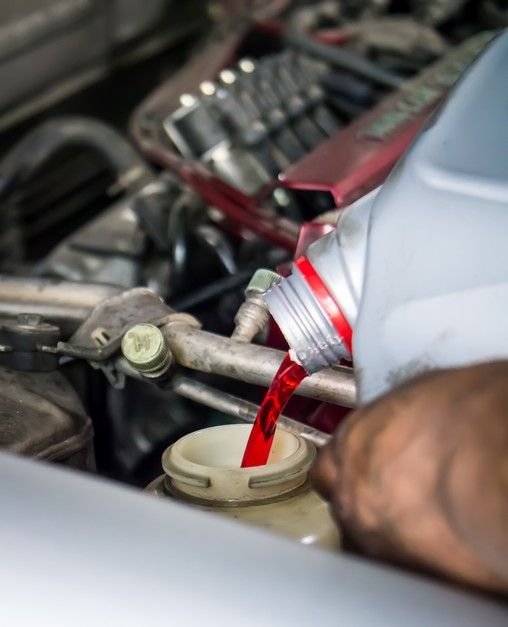
Step 5: How to Top Up Brake Fluid
- Use only the type of brake fluid specified in your car’s manual (usually DOT 3, DOT 4, or DOT 5.1)
- Clean the reservoir cap before opening
- Pour slowly to bring the level up to the MAX mark
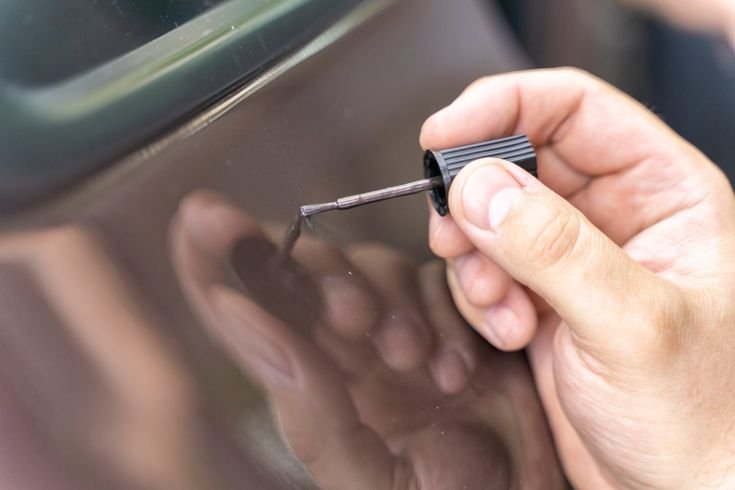
- Do not spill brake fluid on painted surfaces—it can damage paint
Step 6: When to Change Brake Fluid
Brake fluid should be changed according to your car manufacturer’s recommendation, usually every 2-3 years.
Change it sooner if:
- The fluid is dark or contaminated
- The brake pedal feels spongy
- You notice corrosion in brake lines
A brake fluid change involves flushing the old fluid and refilling with new fluid to remove moisture and contaminants.
Step 7: Safety Tips
- Always wear gloves when handling brake fluid
- Avoid contact with skin and painted surfaces
- Use the recommended type of brake fluid
- Dispose of old brake fluid properly
Final Thoughts
Regularly checking and maintaining brake fluid is a simple yet critical task for car safety. Low or contaminated fluid can reduce braking performance, increase stopping distance, and cause costly damage.
At CarFixedExpert.com, the goal is to make car maintenance simple for everyday drivers. By checking brake fluid regularly and changing it when needed, you ensure your brakes remain reliable and your driving safe.