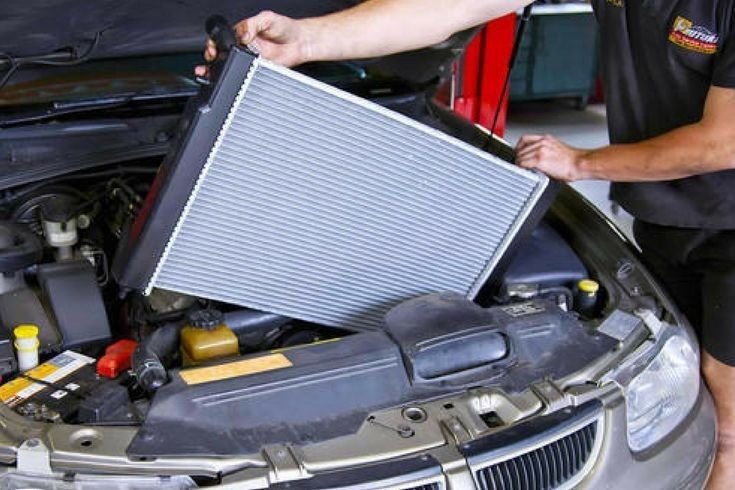
A clean radiator is essential for keeping your engine cool and running efficiently. Over time, rust, debris, and old coolant can build up inside the radiator, reducing its ability to cool the engine. That is precisely why a regular coolant flush is so important for your vehicle’s health. Flushing the radiator removes these harmful deposits and ensures your car stays at the right temperature. In fact, learning how to perform a coolant flush at home is simpler than most people realize. Consequently, you can save money and extend the life of your engine by doing a coolant flush yourself. Moreover, a proper coolant flush also prevents corrosion inside the cooling system components. Therefore, if you follow the correct steps carefully, a coolant flush is a straightforward task. This guide will take you through the entire coolant flush process step by step, from draining the old fluid to refilling with fresh coolant. Additionally, we explain how often a coolant flush should be done for optimal performance. So whether you are dealing with overheating issues or simply maintaining your car, mastering the coolant flush procedure is a valuable skill.Why Flushing the Radiator Is Important
Radiator flushes remove:
- Rust and scale deposits
- Contaminated or old coolant
- Debris that can block coolant flow
Doing this regularly improves engine performance, prevents overheating, and extends the life of your radiator and water pump.
Tools and Materials You Will Need
- Protective gloves and safety glasses
- Drain pan to catch old coolant
- Funnel
- Distilled water
- Radiator flush solution (optional but recommended)
- Wrenches to remove radiator hoses
- Clean cloth or rags
Having everything ready makes the process safe and efficient.
Step 1: Ensure the Engine Is Cool
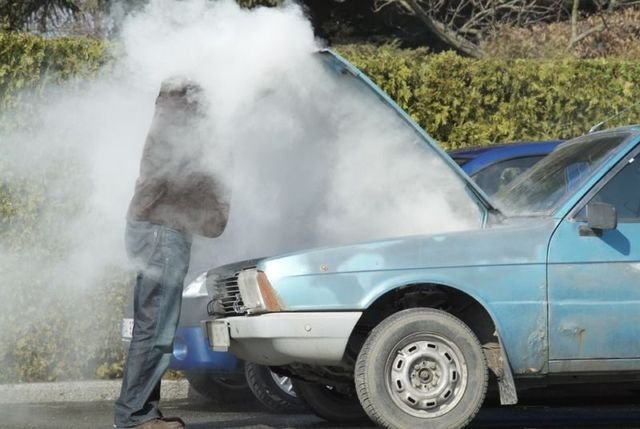
Never attempt to open the radiator when the engine is hot. Hot coolant can spray out and cause severe burns.
Wait at least 30 minutes after turning off your car to allow the engine to cool completely.
Step 2: Locate the Radiator Drain Plug
The drain plug is usually at the bottom of the radiator. Place a drain pan underneath to catch the old coolant.
If your car does not have a drain plug, you can remove the lower radiator hose carefully to drain the coolant.
Step 3: Drain the Old Coolant
Open the drain plug or remove the lower hose and let the old coolant flow into the drain pan. Be careful, as the coolant may still be warm.
Once the radiator is empty, close the drain plug or reattach the hose securely.
Step 4: Add Radiator Flush Solution
If you are using a radiator flush solution, pour it into the radiator according to the instructions on the product.
Fill the radiator with distilled water if you are not using a flush solution. The water helps loosen rust and debris inside the radiator.
Step 5: Run the Engine
Start the car and let it idle for about 10-15 minutes with the heater on. This allows the flush solution or water to circulate through the entire cooling system.
Do not drive the car while flushing unless the flush instructions allow it. Keep an eye on the temperature gauge to ensure the engine does not overheat.
Step 6: Drain the Flush Solution
Turn off the engine and let it cool completely. Drain the radiator again into the drain pan. Most of the rust, debris, and old coolant will come out with it.
Rinse the radiator by adding distilled water and draining again if needed. Repeat until the water comes out clean.
Step 7: Refill with Fresh Coolant
After flushing, refill the radiator and coolant reservoir with the recommended coolant mixture for your car. Usually, it’s a 50/50 mix of coolant and distilled water.
Do not overfill. Check the MIN and MAX marks on the reservoir.
Step 8: Bleed the Cooling System
Some cars trap air in the system after a flush. To remove air pockets, run the engine with the heater on high for a few minutes and follow your owner’s manual instructions for bleeding the system.
Check the coolant level again after bleeding and top up if necessary.
Step 9: Check for Leaks
Inspect hoses, radiator, and clamps for leaks. Ensure all connections are tight.
If you notice leaks, fix them immediately to prevent coolant loss and overheating.
Safety Tips
- Always work on a cool engine
- Wear gloves and safety glasses
- Avoid spilling coolant on paint or ground; it is toxic
- Dispose of old coolant safely; do not pour it down drains
Final Thoughts
Flushing a car radiator at home is a straightforward task that keeps your engine cool and running efficiently. Regular radiator maintenance prevents overheating, improves performance, and extends the life of your engine.
At CarFixedExpert.com, the goal is to make car maintenance easy for everyday drivers. Following these steps ensures your cooling system stays in top condition and your car runs reliably all year round.