How to Change Windshield Wipers: A Complete Step-by-Step Guide
The good news is that learning how to change windshield wipers is one of the simplest and most cost-effective maintenance tasks any driver can perform. In fact, you do not need any mechanical experience or special tools to get the job done. Whether you need to change windshield wipers on a sedan, SUV, or truck, the process remains remarkably similar across most vehicle models. Many drivers unnecessarily pay for professional installation, unaware that they can easily change windshield wipers themselves in under fifteen minutes.
This comprehensive guide will walk you through everything you need to know about windshield wiper replacement, from recognizing when they need changing to installing new ones in minutes. By the end, you will feel confident enough to change windshield wipers on your own vehicle and perhaps even help friends and family with theirs.
When Should You Change Your Windshield Wipers?
Recognizing the Warning Signs
Before diving into the replacement process, it is crucial to understand when your wipers have reached the end of their useful life. Most manufacturers recommend changing windshield wipers every six to twelve months. However, several factors can accelerate wear and tear.
Common signs that indicate replacement is necessary:
Streaking: If your wipers leave streaks or smears across the glass, the rubber edge has likely hardened or developed imperfections.
Squeaking or Chattering: Unusual noises during operation suggest the blade is not gliding smoothly across the windshield.
Skipping: Blades that skip across the glass rather than maintaining consistent contact need immediate attention.
Visible Damage: Cracks, splits, or missing pieces along the rubber edge are obvious indicators.
Poor Visibility: If your view remains blurry after a wipe cycle, the blades are failing to clear water effectively.
Additionally, consider your local climate. Extreme heat, intense sunlight, and freezing temperatures all accelerate rubber deterioration. Therefore, drivers in Arizona or Florida may need replacements more frequently than those in milder regions.
What Type of Wipers Do You Need?
Understanding Your Options
Not all windshield wipers are created equal. In fact, selecting the correct type for your vehicle ensures optimal performance and longevity. Here are the three main categories available:
| Wiper Type | Description | Best For |
|---|---|---|
| Conventional Frame-Style | Traditional metal frame with multiple pressure points | Budget-conscious drivers, older vehicles |
| Beam Blades | Frameless, aerodynamic design with even pressure distribution | Modern vehicles, all-season performance |
| Hybrid Blades | Combination of frame and beam technology | Drivers wanting durability and sleek appearance |
Furthermore, you must consider the attachment style. Vehicle manufacturers use different connection methods, including:
Hook-slot attachment (most common)
Pinch tab attachment
Side pin attachment
Bayonet attachment
Pro Tip: Consult your owner’s manual or use an online compatibility tool to verify the exact size and type required for your specific vehicle. Using incorrect sizes can result in poor performance or damage to your wiper arms.
Step-by-Step Guide: How to Change Windshield Wipers
Preparation Phase
Before beginning the replacement process, gather the following items:
New wiper blades (correct size for driver and passenger sides)
Clean cloth or paper towels
Windshield cleaner
Owner’s manual (optional, for reference)
Safety First: Always work on a level surface with the engine off and the parking brake engaged. Furthermore, be gentle with the wiper arms, as they can bend or break if handled roughly.
Step 1: Lift the Wiper Arm Away from the Windshield
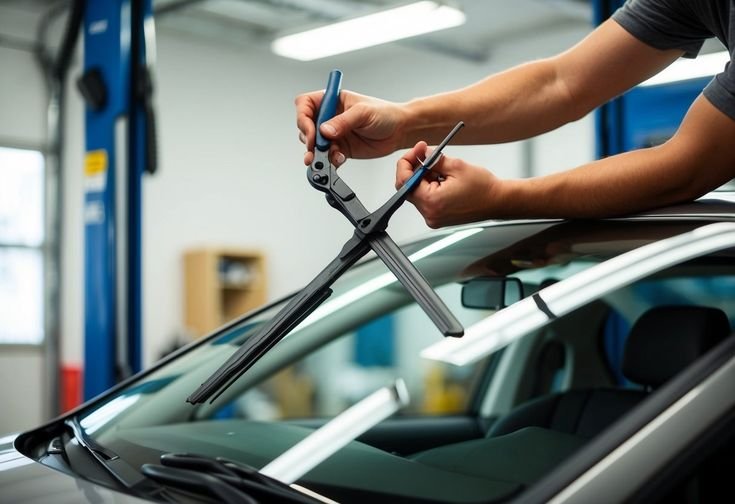
Carefully pull the wiper arm upward until it locks into a vertical position. Most arms have a spring mechanism that holds them upright. However, be cautious not to let the arm snap back onto the glass, as this can crack your windshield.
Step 2: Examine the Connection Point
Look closely at where the wiper blade attaches to the wiper arm. You will notice a small tab, button, or release mechanism. Understanding this connection is essential for successful removal.
Step 3: Release the Old Blade
Depending on your vehicle’s attachment type, follow these general guidelines:
Hook-Type Wiper Arm Connection Guide
Locate the small tab where the blade meets the arm.
Press the tab inward while simultaneously sliding the blade downward.
The blade should release from the hook with minimal resistance.
Pinch Tab Release Method:
Squeeze the pinch tabs on both sides of the connector.
Pull the blade away from the arm firmly but gently.
Side Pin Connector Removal Process:
Lift the locking mechanism.
Slide the blade sideways to disconnect it from the arm.
Step 4: Remove the Old Blade Completely
Once released, set the old blade aside. Take this opportunity to clean the wiper arm and the windshield area with your clean cloth. Removing accumulated dirt and debris prevents scratching during the installation of new blades.
Step 5: Prepare the New Blade
Remove the new blade from its packaging carefully. Most blades come with protective covers over the rubber edge. Remove these covers before installation. Additionally, some universal blades include multiple adapter pieces for different vehicle types. Select the correct adapter based on your earlier inspection.
Step 6: Attach the New Blade
Align the new blade with the wiper arm at the same angle as the old one. You should hear or feel a distinct click when the blade securely locks into place. Give it a gentle tug to verify proper installation. A correctly installed blade will not detach during operation.
Step 7: Gently Lower the Wiper Arm
Slowly guide the wiper arm back down onto the windshield. Never let it drop freely, as the impact can crack the glass or damage the new blade.
Step 8: Repeat for the Other Side
Passenger and driver side wipers often differ in length. The driver’s side is typically longer. Double-check that you are installing the correct blade on each side before proceeding.
Step 9: Test Your New Wipers
Spray windshield fluid and activate your wipers on various speeds. Observe their performance closely. They should move smoothly without streaking, skipping, or making unusual noises.
Rear Windshield Wipers: Special Considerations
Many SUVs, hatchbacks, and wagons feature rear windshield wipers. The replacement process differs slightly:
Rear wipers are generally smaller than front ones.
Some rear wipers use a different attachment mechanism.
Certain vehicles require specific rear wiper blades, not universal ones.
Consult your owner’s manual for rear wiper specifications, as forcing an incompatible blade can damage the motor assembly.
How Much Does Windshield Wiper Replacement Cost?
Understanding Your Investment
Windshield wipers are remarkably affordable compared to most auto repairs. Here is what you can expect to pay:
| Wiper Type | Price per Blade (Average) | Installation |
|---|---|---|
| Economy/Conventional | $8 – $15 | DIY (free) |
| Mid-Range Beam Blades | $15 – $25 | DIY (free) |
| Premium/Hybrid Blades | $25 – $40 | DIY (free) |
| Dealership Replacement | $40 – $70 | Includes installation |
Money-Saving Tip: Purchasing wipers at auto parts stores or online retailers and installing them yourself saves approximately 50-70% compared to dealership prices. Furthermore, many stores offer free installation if you purchase blades from them, combining affordability with convenience.
Frequently Asked Questions
Can I replace just the rubber insert?
Some manufacturers offer replacement rubber inserts for their wiper blades. However, this option is becoming less common. Replacing the entire blade assembly is generally easier and ensures optimal performance.
How long do new wipers last?
Quality wiper blades typically last between six months and one year. Factors such as climate, usage frequency, and sun exposure significantly impact longevity.
Why do my new wipers still streak?
Streaking immediately after installation usually indicates one of three issues:
Protective plastic covers were left on the blade.
The windshield has oil or wax residue.
The blade size or type is incorrect for your vehicle.
Should I replace both front wipers at the same time?
Absolutely. Replacing both simultaneously ensures balanced performance and saves you from repeating the process when the other fails shortly after.
Can I use rain repellents with new wipers?
Yes, but allow the wipers to seat properly for a few weeks first. Some repellents can cause temporary chattering on brand-new blades.
Conclusion: Small Effort, Big Safety Reward
Learning how to change windshield wipers is a simple skill that pays significant safety dividends. The entire process takes less than fifteen minutes and requires no special tools or mechanical knowledge. Yet, the improvement in visibility during adverse weather conditions is dramatic.
Key takeaways to remember:
Replace wipers every six to twelve months or at the first sign of deterioration.
Choose the correct type and size for your specific vehicle.
Handle wiper arms gently to avoid bending or breaking them.
Test new wipers thoroughly before relying on them in bad weather.
Consider keeping spare blades in your vehicle for emergencies.
Clear vision is non-negotiable when driving. By maintaining your windshield wipers properly, you ensure that rain, snow, and road spray never compromise your ability to see and react to changing conditions. After all, twenty dollars and fifteen minutes is a small price for peace of mind behind the wheel.
Need expert advice? Visit carfixedexpert.com for more maintenance guides, or contact our team with questions about your specific vehicle model.