How to Replace Brake Pads at Home: A Complete Step-by-Step Guide
Brake pads are one of the most important safety components of your car. The good news is that brake pad replacement at home is possible even for beginners. When you delay brake pad replacement, you risk damaging rotors and increasing stopping distance. Consequently, learning proper brake pad replacement saves money and keeps your car safe. Additionally, regular brake pad replacement ensures responsive braking in emergency situations. Therefore, mastering this simple skill gives you confidence and prevents expensive repairs down the road..
Why Replacing Brake Pads Is So Important
Brake pads wear down over time because of constant friction against the brake rotors. Consequently, driving with worn pads can create several serious problems. For starters, you will experience longer stopping distances, which is dangerous in emergency situations. Additionally, you might hear squealing or grinding noises every time you brake. More importantly, ignoring worn pads can cause expensive damage to your brake rotors. Ultimately, driving with worn pads creates unsafe conditions for you and everyone else on the road.
By replacing pads in time, you keep your brakes responsive and prevent those costly repairs down the line.
Tools and Materials You Will Need
Before you get started, gather all the necessary items. Having everything ready beforehand makes the job safer and much easier.
A reliable jack and jack stands
Wheel chocks to prevent rolling
A lug wrench for removing wheels
A socket set and various wrenches
A C-clamp or brake caliper tool
Your new brake pads, of course
Gloves and safety glasses for protection
Brake grease or anti-squeal lubricant
Some clean rags for wiping parts
Step-by-Step Brake Pad Replacement Process
Step 1: Park Safely and Lift the Car
To begin with, park your car on a completely flat surface. Engage the parking brake firmly and place wheel chocks behind the rear wheels for added safety. Before lifting the car, slightly loosen the lug nuts on the wheel you will be working on. After that, use your jack to lift the car and immediately secure it with jack stands. Remember, never work under a vehicle that is only supported by a jack.
Step 2: Remove the Wheel
Now, fully remove the loosened lug nuts and take the wheel off. Set it aside in a safe place where it won’t roll away. With the wheel removed, you now have clear access to the brake caliper and pads.
Step 3: Remove the Brake Caliper
Next, locate the bolts that hold the caliper in place. Using the correct socket or wrench, remove these bolts carefully. Once they are out, gently slide the caliper off the rotor. However, be very careful not to let the caliper hang by the brake hose. The hose is delicate and can be damaged easily. Instead, support the caliper with a bungee cord or rest it securely on a nearby surface.
Step 4: Remove the Old Brake Pads
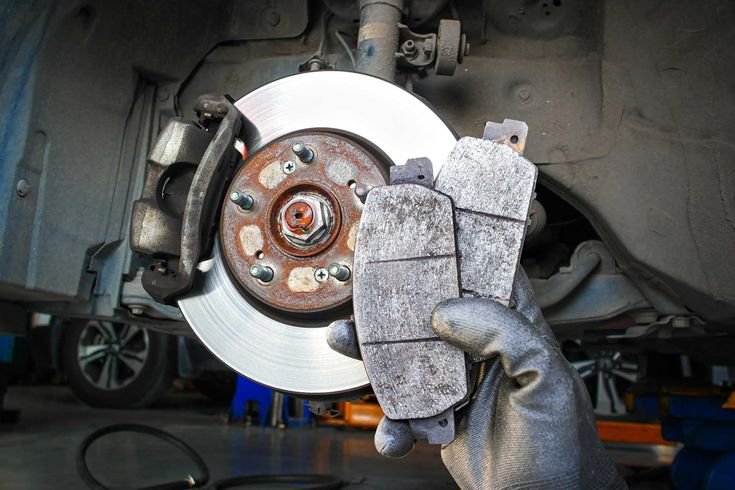
At this point, you can slide the old brake pads out of the caliper bracket. Take a moment to notice how they are installed, as this will help when you put the new ones in. While you have everything apart, inspect the brake rotor for grooves, scoring, or damage. If the rotor looks worn out, you might want to consider replacing or resurfacing it before installing new pads.
Step 5: Compress the Caliper Piston
This step is essential for fitting the new, thicker brake pads. Use a C-clamp or a dedicated brake caliper tool to push the piston back into the caliper. To avoid damaging the piston, place the old brake pad against it while you apply pressure. Slowly and steadily compress the piston until it is fully retracted into the caliper housing.
Step 6: Install the New Brake Pads
Before installing the new pads, apply a thin layer of brake grease or anti-squeal lubricant to the back of each pad. This helps prevent noise later on. Then, slide the new pads into the caliper bracket, making sure they are in the same orientation as the old ones. Ensure they are seated properly and move freely.
Step 7: Reattach the Caliper
Carefully slide the caliper back over the new brake pads and rotor. Reinsert the caliper bolts and tighten them securely. After that, double-check that the caliper moves freely and that the pads are aligned correctly with the rotor.
Step 8: Reinstall the Wheel
Now, put the wheel back on and hand-tighten the lug nuts to hold it in place. Lower the car carefully using the jack, and once it is on the ground, fully tighten the lug nuts in a crisscross pattern. This ensures even pressure across the wheel.
Step 9: Pump the Brake Pedal
Before you even think about driving, press the brake pedal several times. This step is crucial because it pushes the piston back out and seats the new pads correctly against the rotor. The pedal should feel firm and responsive, not soft or spongy.
Step 10: Test Drive Safely
Finally, take your car for a slow test drive in a safe area with little traffic. Apply the brakes gently at first and listen for any unusual noises. Make sure the car stops smoothly and pulls straight. For the first hundred miles or so, avoid heavy braking to allow the new pads to bed in properly.
Important Safety Tips to Remember
Throughout this process, keep these safety rules front and center. Always work on a flat surface with wheel chocks and jack stands in place. Wear gloves and safety glasses to protect yourself from dirt and debris. Never let the caliper hang by the brake hose, as this can cause expensive damage. Additionally, use the correct tools for each step to avoid stripping bolts or breaking parts.
Final Thoughts
Replacing brake pads at home is a simple and cost-effective way to maintain your car’s safety. With the right tools and careful attention to each step, even beginners can do this job confidently.
At CarFixedExpert.com, our goal is to make car maintenance easy and approachable for everyone. By regularly changing your brake pads, you ensure your car stops efficiently, protect your rotors from damage, and keep yourself and your passengers safe on every journey.