
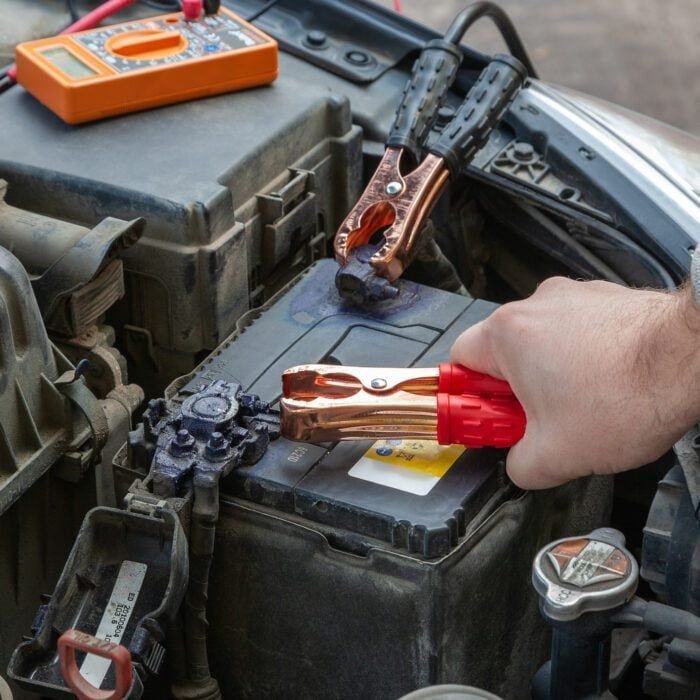
Battery cable connector The Complete Guide for Car Owners
Your car’s electrical system can be as advanced as it gets, but if the battery terminal connector is loose or damaged, your entire vehicle’s performance goes out the window. It is surprising how such a small part can cause so much trouble. Battery post connectors and terminals might seem like minor components, but honestly, they play a massive role in keeping your car running smoothly.
First and foremost, a good quality battery terminal connector ensures that electricity flows without interruption from your battery to the rest of the vehicle. Without a properly functioning battery terminal connector, even a brand new battery won’t be able to start your engine. Consequently, you might find yourself stranded in a parking lot, wondering what went wrong.
Moreover, corrosion is the number one enemy of any battery terminal connector. When white or green buildup appears on your battery terminal connector, it creates resistance. This resistance, in turn, blocks the current that your starter motor desperately needs. Therefore, cleaning your battery terminal connector regularly should be part of your routine maintenance.
Another important point to consider is the fit of your battery terminal connector. If the battery terminal connector feels loose even after tightening, you’re looking at trouble down the road. A loose battery terminal connector can cause intermittent electrical issues, flickering lights, and even damage to your alternator over time. To avoid these problems, always ensure your battery terminal connector is snug and secure.
In addition, replacing a worn-out battery terminal connector is neither expensive nor difficult. In fact, a new battery terminal connector costs only a few dollars at any auto parts store. Investing in a quality battery terminal connector pays for itself by preventing unexpected breakdowns and extending the life of your battery.
Finally, don’t forget to apply dielectric grease after installing your battery terminal connector. This simple step protects your battery terminal connector from moisture and oxygen, which means corrosion won’t stand a chance. Ultimately, a little attention to your battery terminal connector goes a long way toward keeping your car reliable.
What’s Inside
- What Is a Battery Post Connector?
- Battery Terminal vs Connector vs Clamp: What’s the Difference?
- Types of Battery Post Connectors
- Copper vs Brass vs Lead – Which One Is Best?
- Warning Signs of a Loose or Damaged Battery Post
- How to Fix a Loose Battery Post (Step-by-Step)
- Safety First: Essential Precautions
- Maintenance Tips That Actually Work
- Frequently Asked Questions
1. What Is a Battery Post Connector? {#what-is}
A battery post connector is a metal component that creates the link between your battery terminals and your vehicle’s electrical wiring. Think of it as a bridge that carries current from your battery to every electrical part in your car.
Without it, your car battery is just a heavy box sitting under your hood. The right connector ensures proper current flow so your engine starts, your lights shine bright, and all your electronic components work the way they should.
When your connector fails or gets loose, here’s what happens:
- Your engine struggles to start or won’t start at all
- Headlights appear dim or flicker randomly
- You risk short circuits and electrical fires
- Sensitive electronic modules can get damaged permanently
2. Battery Terminal vs Connector vs Clamp: What’s the Difference? {#difference}
People often use these three terms interchangeably, but they’re actually three different things. Understanding the difference helps you diagnose problems more accurately.
| Component | What It Is | What It Does |
|---|---|---|
| Battery Post Terminal | The part that sticks out from the battery itself | Acts as the entry and exit points for electrical current |
| Battery Post Connector | The external piece that connects your cable to the terminal | Creates the bridge between the terminal and your car’s wiring |
| Battery Post Clamp | The part of the connector that grips the terminal | Keeps the connection tight and secure |
Simple way to remember it: The terminal is your battery’s “door,” the connector is the “bridge,” and the clamp is the “lock.” All three work together to keep power flowing safely.
3. Types of Battery Post Connectors {#types}
Battery connectors come in different shapes and sizes. Each type serves a specific purpose and fits different vehicle requirements.
Based on Shape and Design:
Top Post Connector
This is the most common type you’ll see. The terminals sit on top of the battery. Most cars and light trucks use this design. Installation and removal are straightforward, making them DIY-friendly.
Side Post Connector
Here, the terminals are located on the side of the battery. This design looks cleaner and reduces the risk of accidental short circuits. You’ll commonly find these in GM vehicles.
Marine Post Connector
Made from brass with extra corrosion protection built in. These are perfect for boats, RVs, and off-road vehicles that face harsh, wet conditions.
L-Terminals
These look like the letter “L” and work great in tight spaces. You’ll often see them on electric bikes, motorcycles, and specialized equipment where space is limited.
Industry Standards:
SAE Terminals
The standard for American vehicles. These have specific sizes and shapes that manufacturers follow, making replacements easy to find.
JIS Terminals
Common in Japanese vehicles. They look similar to SAE but are slightly smaller. Using the wrong type can lead to loose connections.
4. Copper vs Brass vs Lead – Which One Is Best? {#material}
The material your connector is made from makes a huge difference in performance and how long it lasts.
| Material | Advantages | Disadvantages | Best For |
|---|---|---|---|
| Copper | Best conductivity, resists corrosion when tin-plated | More expensive | High-performance systems, audio upgrades, racing |
| Brass | Excellent corrosion resistance, mechanically strong | Lower conductivity than copper | Marine use, humid climates, daily drivers |
| Lead | Flexible, easy to work with | Oxidizes quickly, less durable | Budget builds, classic cars, temporary fixes |
Expert Recommendation: If your budget allows, go with tin-plated copper connectors. You get the best of both worlds – superior conductivity plus excellent corrosion resistance. This combination gives you reliable performance for years.
5. Warning Signs of a Loose or Damaged Battery Post {#signs}
A loose battery post often starts as a minor annoyance but can quickly turn into a major headache. Here are the warning signs you should never ignore:
1. Slow Engine Crank
When you turn the key and the engine turns over slowly or struggles to start, your battery might not be delivering full power. Loose connections create resistance that prevents proper current flow to the starter.
2. Dim or Flickering Lights
Pay attention to your headlights. If they suddenly dim while driving or your dashboard lights flicker randomly, don’t immediately blame the alternator. Check those battery posts first.
3. Clicking Sound When Starting
You turn the key and hear a rapid clicking sound, but the engine won’t start. That clicking means the starter solenoid is trying to engage but isn’t getting enough power. A loose connection is often the culprit.
4. Burning Smell Near the Battery
Loose connections create heat. If you smell something burning – like melting plastic or rubber – near your battery, you have a serious problem. The heat can melt insulation and even start fires.
5. Visible Corrosion
That white, green, or blue powdery stuff around your battery terminals? That’s corrosion, and it acts as an insulator. It prevents proper current flow and indicates chemical reactions happening at the connection.
6. Loose Cable Connection
Try moving the cable where it connects to the battery. If it wiggles easily without tools, your connection is too loose. A proper connection should feel solid and secure.
Auto battery replacement
6. How to Fix a Loose Battery Post (Step-by-Step) {#fix}
Fixing a loose battery post isn’t rocket science. With the right tools and some patience, you can handle this yourself and save a trip to the mechanic.
Tools You’ll Need:
- Wrench or socket set (usually 10mm for most vehicles)
- Pliers
- Flathead screwdriver
- Wire brush or battery terminal cleaner
- Sandpaper (fine grit)
- Battery terminal protector spray or dielectric grease
- Baking soda and water (for cleaning corrosion)
- Multimeter (optional but helpful)
Step-by-Step Tire Rotation Process
The Core Rotation Process
Step 1: Safety First
To begin with, put on your gloves and safety glasses. Battery acid can cause serious burns, and trust me, you don’t want that stuff anywhere near your skin or eyes. Above all, protecting yourself should always be your number one priority.
Step 2: Disconnect the Battery Properly
Now, this step is more important than most people realize. Always disconnect the negative terminal first, and only then move on to the positive. Why this specific order? Well, it prevents accidental short circuits if your wrench happens to touch metal while you’re working. Consequently, you avoid sparks, shocks, and potential damage to your vehicle’s electrical system.
Step 3: Clean Everything Thoroughly
Next, grab your wire brush or some sandpaper and get to work. You’ll want to clean both the battery post and the inside of the connector until every bit of corrosion is gone. If you spot that telltale white or green powder, keep scrubbing until you see shiny metal underneath.
For heavy corrosion, here’s a trick that works like magic: mix baking soda with water to make a thick paste. Apply it to the corroded areas, and you’ll notice it immediately start to bubble up. That bubbling action is actually neutralizing the acid. After a few minutes, rinse thoroughly with clean water and dry everything completely. Remember, moisture is your enemy here, so don’t skip the drying step.
Step 4: Check How Well It Fits
At this point, place the connector back on the post without tightening it all the way. Does it feel loose even when fully tightened? If so, you’ve got a few options to consider.
First, you could use a battery terminal shim, which is essentially a small metal sleeve that takes up extra space. Alternatively, you might want to consider replacing the connector entirely. In extreme cases, the battery post itself might be damaged, and that’s a bigger conversation. The key takeaway? A loose connection will always cause problems, so address it now rather than later.
Step 5: Reconnect in the Right Order
Now comes the moment to put everything back together. This time, you’ll do the opposite order: positive first, then negative. Once connected, tighten with your wrench until everything feels snug. However, be careful not to overtighten, as you can damage the battery post or strip the threads.
How tight is tight enough? Here’s a simple test: give it a firm pull with your hand. If it doesn’t budge, you’re in good shape.
Step 6: Apply Protection
After everything is connected properly, it’s time to think about prevention. Spray on some battery terminal protector or apply a thin layer of dielectric grease. This creates an effective barrier against moisture and oxygen, which means future corrosion won’t stand a chance. Honestly, this step takes thirty seconds but saves you hours of future work.
Step 7: Test Your Work
Finally, start the engine and listen carefully. It should crank quickly and smoothly without any hesitation. If you happen to have a multimeter handy, check the voltage as well. With the engine off, you should see between 12.4 and 12.8 volts. With the engine running, that number should jump to around 13.5 to 14.5 volts. These readings confirm that your alternator is doing its job properly.
Critical Safety Rules to Remember
Before you wrap up, let’s go over some non-negotiable safety rules:
Never use power tools like impact wrenches on battery terminals
Always disconnect negative first and reconnect negative last
Keep metal tools away from touching both terminals at once
Work in a well-ventilated area, since batteries can produce explosive hydrogen gas
Safety First: Essential Precautions {#safety}
Working with car batteries requires genuine respect. These safety rules aren’t just suggestions; they’re absolutely essential for your well-being.
Always Wear Protection
Safety glasses are truly non-negotiable here. Battery acid in your eyes can cause permanent damage in seconds. Similarly, gloves protect your skin from acid and harsh corrosion that can cause chemical burns.
Ensure Proper Ventilation
Car batteries release hydrogen gas, especially when they’re charging. What makes this dangerous? Hydrogen gas is highly explosive. Therefore, always work in open air or a well-ventilated garage. Additionally, never create sparks or flames near a battery under any circumstances.
No Smoking
This should go without saying, but I’ll say it anyway: never smoke near a battery. Hydrogen gas plus an open flame equals a guaranteed explosion that can shower you with acid.
Use Insulated Tools
If you own insulated tools, absolutely use them. If not, you can wrap electrical tape around the handles of your wrenches for an extra layer of protection. It’s a simple precaution that makes a real difference.
Remove Metal Jewelry
Before you start, remove rings, watches, and bracelets. Here’s why: if metal accidentally bridges the positive terminal to ground, it will heat up instantly and cause severe burns. That ring on your finger could literally become a branding iron in seconds.
Keep a Baking Soda Solution Handy
Mix baking soda with water and keep it within arm’s reach. If battery acid spills, you can neutralize it immediately without panicking and searching for supplies.
Maintenance Tips That Actually Work {#maintenance}
Regular maintenance extends the life of your battery terminals and prevents unexpected problems. Here’s what actually works based on real-world experience:
Monthly Visual Inspection
Pop your hood once a month and take a good look at your battery terminals. Specifically, check for white or green corrosion buildup, loose connections, damaged or frayed cables, and any unusual smells. Catching issues early makes all the difference.
Clean on a Schedule
Mark your calendar to clean your terminals every three to four months. Regular cleaning prevents corrosion from building up and becoming a major problem down the road. Think of it as preventive medicine for your car.
Use Protective Products
After each cleaning, always apply dielectric grease or battery terminal protector. This simple step cuts future corrosion by ninety percent and keeps connections solid for much longer. In fact, it’s probably the most effective prevention method available.
Consider Felt Washers
Those little felt rings you see at auto parts stores actually work surprisingly well. They’re soaked in corrosion-inhibiting solution and sit right under your connectors. Essentially, they absorb acidic vapors before those vapors can attack your terminals.
Check Voltage Occasionally
If you own a multimeter, check your battery voltage every few months. A healthy battery reads between 12.4 and 12.7 volts when resting. Lower readings might indicate charging system problems that need attention.
Winter Preparation
Before winter hits, give your battery terminals some extra attention. Cold weather makes batteries work much harder, and a weak connection will fail faster in freezing temperatures. A little preparation now prevents a lot of frustration later.
Frequently Asked Questions {#faqs}
Basics: Terminals vs. Connectors
Q: What’s the difference between a battery post connector and a terminal?
A: The terminal is physically part of the battery; it’s the actual post sticking out. The connector, on the other hand, is the removable piece that attaches your cable to that post. In short, one is permanent and factory-installed, while the other is serviceable and replaceable.
Q: Why won’t my car start with a loose battery post?
A: This is actually a very common issue. Essentially, loose connections create electrical resistance. Consequently, this resistance blocks the flow of current. Since your starter motor needs high current to turn the engine over, a loose connection prevents that current from getting through. Therefore, even if your battery is fully charged, the car simply won’t start.
Q: What’s the best way to clean battery terminals?
A: First, use a wire brush or a dedicated terminal cleaning tool. For tough corrosion, make a paste with baking soda and water. Apply it, let it bubble for a few minutes to neutralize the acid, and then rinse thoroughly with clean water. Finally, and this is absolutely crucial, dry everything completely before reconnecting.
Q: How much does it cost to replace a Battery cable connector?
A: Basic lead terminals typically cost around five to ten dollars each. Better quality ones made from brass or copper run between ten and twenty dollars. If you want premium connectors with quick-release features or multiple cable connections, expect to pay twenty to forty dollars. Either way, it’s way cheaper than a tow truck or an emergency mechanic visit.
Q: How do I measure battery terminal size correctly?
A: For top post batteries, take a ruler and measure across the round post. The positive post, which is usually red, is bigger, about the size of a dime. The negative post, which is black, is smaller, about the size of a penny. Write down these numbers for reference.
For side post batteries, look at the threaded hole where the bolt goes. Most American cars use three-eighths inch threads. If a standard bolt doesn’t fit properly, it’s probably metric, either M6 or M8.
Here’s a quick tip to remember: positive is always bigger than negative. Manufacturers design it this way specifically to make sure you don’t accidentally hook things up wrong. Still feeling confused? Just take a photo and show it at any auto parts store. The staff there will help you find the right fit without any trouble.
Final Thoughts
Battery post connectors and terminals might be small parts, but their importance is absolutely huge. A proper connection ensures your car starts reliably every time, your electrical systems work correctly, and you avoid dangerous situations like short circuits or electrical fires.
Here’s what proper maintenance actually gives you:
Extended battery life, often one to two years longer than average
Fewer unexpected breakdowns that leave you stranded
Better fuel economy, since the alternator doesn’t have to work as hard
Genuine peace of mind knowing your car will start when you need it
Think about it for a moment. Your entire vehicle depends on these small connections. Spending just a few minutes checking them regularly can save you hours of frustration and hundreds of dollars in repairs down the road.
CarFixedExpert Pro Tip: Make it a habit to check your battery terminals every single time you change your oil. This simple routine takes about two minutes but catches problems long before they leave you stranded. Your future self will definitely thank you for it.
10 responses to “Battery Terminal Connector”
[…] Click here: if you know about how to connect battery with terminals […]
Hi http://carfixedexpert.com,
I hope you’re doing well. I came across your business online and thought you might be interested in improving your visibility and traffic on search engines.
We specialize in helping businesses strengthen their online presence through effective SEO strategies.
Once you share your target keywords and target market, I’ll send a full proposal.
Warm regards,
Anaya
Hey team carfixedexpert.com,
I would like to discuss SEO!
I can help your website to get on first page of Google and increase the number of leads and sales you are getting from your website.
May I send you a quote & price list?
Bests Regards,
Aby
Best AI SEO Company
Accounts Manager
http://www.letsgetoptimize.com
Phone No: +1 (949) 508-0277
Welcome from DreamProxies.com
Superb proxies news: elite, ultra speed and unlimited private proxies now even lower price!
50% Deal – for all private proxies:
https://tiny.cc/DreamProxies-Sales
Browse key features and benefits:
Fully Private, Premium Quality, Blazing Speed, Unlimited Bandwidth, Reliable Servers, Cheap Prices, Extra Discounts and much more
50% Cheaper for all proxy packages – by DreamProxies.com
Hey team carfixedexpert.com,
I would like to discuss SEO!
I can help your website to get on first page of Google and increase the number of leads and sales you are getting from your website.
May I send you a quote & price list?
Bests Regards,
Aby
Best AI SEO Company
Accounts Manager
http://www.letsgetoptimize.com
Phone No: +1 (949) 508-0277
Hey
Place carfixedexpert.com in Google Search Index to be displayed in online search results!
Register carfixedexpert.com at https://searchregister.info
Hi there http://carfixedexpert.com,
I help businesses boost their website traffic and online visibility through effective SEO strategies. To get started, I’d love to take a quick look at your website and prepare a short report outlining key issues and practical recommendations to help you attract more visitors and improve rankings.
Could you please share your Keywords and target locations? Once I review it, I’ll send you a brief summary of insights and suggestions tailored to your business goals — completely free of charge.
Looking forward to hearing from you soon.
Best regards,
Anaya
Hey team carfixedexpert.com,
I would like to discuss SEO!
I can help your website to get on first page of Google and increase the number of leads and sales you are getting from your website.
May I send you a quote & price list?
Bests Regards,
Aby
Best AI SEO Company
Accounts Manager
http://www.letsgetoptimize.com
Phone No: +1 (949) 508-0277
Nobody warns authors about this before they publish a book.
The moment your book goes live…
You accidentally take on a second job.
Marketing.
Suddenly your evenings look like this.
Trying to write social media posts.
Designing graphics.
Creating promotional images.
Jumping between platforms trying to get attention for your book.
Don’t skim — watch the video here
[ https://ai-sales-rocket.blogspot.com ]
And the moment you stop doing that… The traffic disappears.
The sales disappear.
The authors who succeed usually discover something important.
They don’t rely on motivation. They rely on systems.
Something that promotes their books every single day whether they feel like it or not.
That’s exactly what Andreas Quintana built for his own publishing business.
He got tired of promoting his books manually.
So he created a tool that reads your book, generates marketing content, and promotes it across multiple platforms automatically.
Your book basically gets its own 24/7 marketing engine.
Instead of me trying to explain it… Go watch Andreas walk through it.
Don’t skim — watch the video here
[ https://ai-sales-rocket.blogspot.com ]
The launch price is $17.97 but the important part is understanding what this actually does.
Watch the video first.
Then decide if this is something you want working behind your books.
[Kuna Behera]
P.S. Quick-Start Author Bonus
The first 100 customers today will unlock 2 extra book uploads FREE.
That means you can promote 3 books instead of just one with AI Sales Rocket.
Once the first 100 spots are gone… this bonus disappears.
Hey
List carfixedexpert.com in Google Search Index to show up in web search results!
Register carfixedexpert.com at https://searchregister.net