My Personal Experience
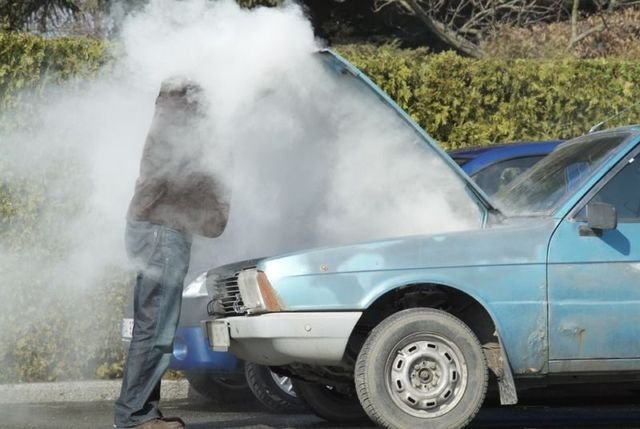
Last winter, I learned an important lesson the hard way about why car prep for winter matters so much. One morning, I went outside to start my car and the engine barely responded. The battery sounded weak, the windshield was foggy from the inside, and the heater took forever to warm up. I had rushed into the cold without doing any car prep for winter, and it made my morning stressful and almost caused me to be late for work. That day I realized that proper car prep for winter is not just important—it is essential for safe and smooth driving. Since then, I always take a few hours before winter hits to make sure my car is ready for the cold season.
Preparing your car for winter does not require a mechanic or expensive tools. Most of the steps can be done at home with basic knowledge and careful attention. It keeps your engine healthy, ensures safety on slippery roads, and prevents emergencies when temperatures drop. Trust me—taking time for car prep for winter now will save you from freezing mornings and expensive repairs later.
Check the Car Battery
Cold weather affects battery performance more than most people think. A battery that is already old or weak may fail to start the car on freezing mornings. I always inspect the battery terminals for corrosion and make sure the connections are tight. If the battery is over three years old or has shown slow starts in the past, I replace it before winter arrives. A healthy battery ensures my car starts reliably even on the coldest mornings.
Inspect Engine Oil
Engine oil thickens in low temperatures, making it harder for the engine to start. Before winter, I check the oil level and quality. If the oil looks dark or it has been a while since the last change, I replace it with the grade recommended for winter in my car manual. Proper oil helps the engine start smoothly and keeps the internal parts protected against wear.
Check Coolant and Antifreeze
Many people think coolant is only important in summer, but it is equally crucial in winter. It prevents the engine from freezing in low temperatures. I always check the coolant level and make sure the mixture is correct. Proper coolant protects the engine from freezing and overheating, ensuring smooth operation even in extreme cold.
Inspect Tires and Adjust Pressure
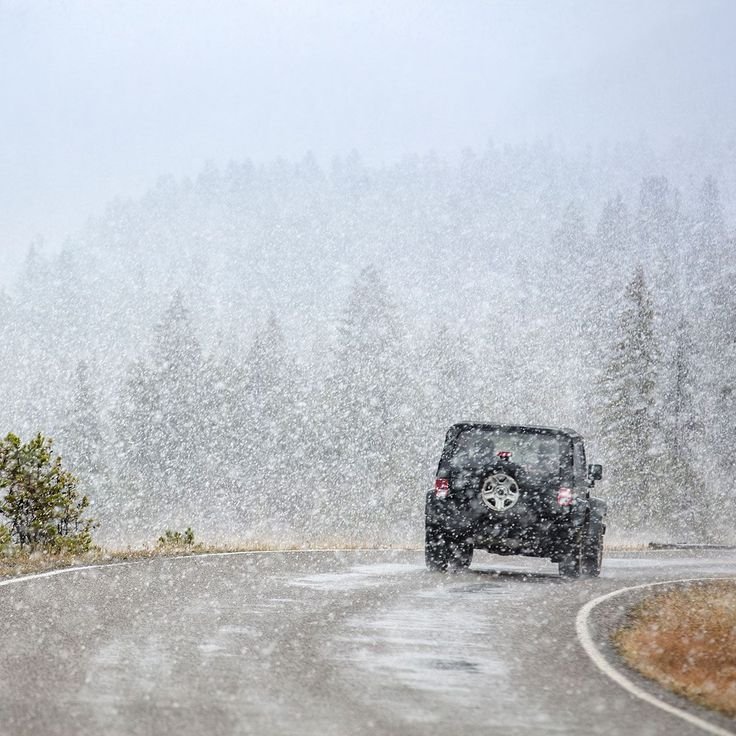
Cold weather causes tire pressure to drop, which affects fuel efficiency and road grip. I check the tire pressure every few weeks during winter and adjust it according to the recommended PSI. I also inspect the tread for wear. If the tread is low, I replace the tires before it becomes dangerous. Proper tires are critical for safety on wet or icy roads.
Test Heater and Defroster
Driving with fogged windows is dangerous. A few winters ago, I ignored testing the heater, and it caused visibility problems. Now, I always test both the heater and defroster before winter fully sets in. If airflow is weak, I check the cabin air filter and replace it when needed. Ensuring a working heater and defroster makes winter driving safer and more comfortable.
Replace Wiper Blades and Fill Washer Fluid
Old or worn wiper blades cannot clear rain or frost properly. I replace them every winter before the first heavy rain or snow. I also make sure the windshield washer fluid is full. This simple step ensures the windshield remains clear and visibility is never compromised.
Inspect Lights
Winter days are shorter and visibility can be poor due to fog or rain. I check all exterior lights including headlights, brake lights, indicators, and fog lights. Replacing any weak or burnt-out bulbs ensures I can see the road clearly and other drivers can see me.
Keep Emergency Supplies
I always keep a few emergency items in the car during winter. Flashlight, gloves, jumper cables, a small toolkit, and a warm blanket have helped me in unexpected situations. Being prepared reduces stress if something goes wrong while traveling in cold weather.
My Personal Experience
Since I started preparing my car for winter every year, mornings have become much easier. The engine starts smoothly, the heater warms the cabin quickly, and visibility is never an issue. I have also noticed fewer surprises like dead batteries or slippery tire problems. Taking a little time to check and maintain the car has saved me both money and stress.
Final Thoughts
Winter car preparation is simple but very important. Checking the battery, engine oil, coolant, tires, lights, wipers, and emergency supplies ensures the car runs reliably and safely. With careful attention and some basic home maintenance, you can avoid cold-weather breakdowns and enjoy a smooth driving experience.
Investing a few hours in winter preparation protects your car, saves money on repairs, and gives you confidence on the road. From my experience, this small effort is one of the best ways to take care of your car and yourself during the cold season.