Signs of a Bad Fuel Filter: How I Finally Figured Out What Was Wrong With My Car
My car started acting weird on a Tuesday morning. Nothing dramatic, just a little hesitation when I pressed the gas. I figured maybe the fuel I filled up the previous night was bad. You know how sometimes you pull into a random gas station on the highway and immediately regret it? Yeah, I blamed that.
But the next morning, same thing. And the morning after that.
It kept getting worse over the next two weeks. The car would take forever to start. The engine would feel sluggish on inclines. And once, while pulling out of a parking lot, the engine just cut off completely. Right there in the middle of traffic. I put it in park, restarted it, and it came back as if nothing had happened. But I was sweating.
I spent about three days going down the wrong rabbit hole. Checked the spark plugs, read about MAF sensors, even watched a long video about throttle body cleaning. My neighbor suggested I get the injectors cleaned. I was ready to spend a decent amount of money on all of this.
Then my cousin, who has been working with cars for about eight years, came over one evening. He sat in the passenger seat, listened to the engine idle for maybe 30 seconds, and asked, “When did you last change your fuel filter?”
I just stared at him.
I had never changed it. I did not even know it needed to be changed. And honestly, I did not know exactly where it was or what it looked like.
Turns out, that tiny part was behind almost every single symptom I had been dealing with for weeks.
What the Fuel Filter Actually Does
Think of it like the water filter on your kitchen tap. You would not want rust, sediment, and dirt going into your cooking water, right? Same logic with your engine.
Petrol sitting in underground storage tanks at fuel stations picks up dirt, rust flakes, and fine debris over time. When that fuel travels through your car’s fuel lines toward the engine, the filter sits in the middle and catches all that junk before it can reach the fuel injectors or combustion chamber.
The problem is that after years of doing this job, the filter gets completely loaded with everything it has trapped. And when that happens, clean fuel cannot pass through easily anymore. The engine starts starving for fuel, and that is when things get annoying.
The Signs I Noticed (And Some I Missed At First)
The car jerks or hesitates when you accelerate
This was my very first sign, and I ignored it for almost two weeks.
When you press the accelerator, especially when trying to overtake someone on a highway or just picking up speed from a traffic light, the engine needs a quick burst of fuel. If the filter is clogged, that burst cannot arrive on time. The engine stumbles, hesitates, or gives you a little jerk before catching up.
At low speeds or while just cruising, you might not notice much. But the moment you demand more from the engine, it lets you down. That was exactly my experience.
Hard starts and long cranking
Before my filter issue got fixed, my car had developed this habit of taking forever to start. You turn the key, the engine cranks and cranks, and just when you are about to give up, it finally catches.
This happens because when a car sits overnight, the fuel pressure in the lines drops. When you start it in the morning, the fuel pump has to push fuel all the way from the tank to the engine. If it has to fight through a clogged filter to do that, it takes much longer to build enough pressure for the engine to fire.
On newer cars, a lot of people see this and immediately think battery. But if your battery is fine and the engine is still taking ages to start, check the filter.
Weak power on slopes or when the car is loaded
This one confused me for a while. On flat roads, the car felt mostly okay. But the moment I hit an incline or had a couple of extra passengers, it felt like I was driving with the handbrake half on.
Climbing a slope or carrying extra weight forces the engine to work harder. Working harder means needing more fuel. If the filter is restricting that flow, the engine just does not get what it needs. You press down harder on the accelerator, but the car barely responds.
My car has a fairly regular commute, mostly flat roads, so this symptom was only obvious on the one flyover I take every few days.
Random stalling
The parking lot situation I mentioned earlier. Engine cutting off without warning.
When a filter gets severely blocked, there are moments when fuel flow becomes so restricted that the engine just shuts down. It can happen at idle, at a slow crawl through traffic, or while braking to stop.
What made mine confusing was that it would restart after a minute or two. This happens because when the fuel pump stops running, the debris inside the filter settles temporarily, allowing a little fuel to get through when you start again. But it clogs right back up once the pump starts pushing again.
If your car stalls randomly and restarts after sitting for a bit, this pattern is a pretty strong signal.
Fuel economy dropping for no clear reason
I noticed I was filling up more frequently than usual. I drive roughly the same route every day, so this was noticeable.
A clogged filter forces the fuel system to compensate. The engine runs with an inconsistent fuel supply, combustion becomes inefficient, and you burn through more fuel to cover the same distance. Some people also see a check engine light with misfire codes like P0300 around this stage.
I did not get a check engine light myself, but I have read enough forums and talked to enough people to know this is a common experience when the filter is really far gone.
How Long Should a Fuel Filter Last
Most manufacturers suggest replacing it somewhere between 30,000 and 60,000 kilometers, but honestly, this depends a lot on where you live and where you fill up.
If you are regularly fueling at well-maintained stations with good quality control, your filter will last longer. If you are often filling up at random highway stops or older stations, it might clog up much earlier.
My car had crossed well over 60,000 kilometers without a filter change. Nobody had told me, and I had never thought to ask. That is probably the most common reason this part gets overlooked. It is not visible when you pop the hood; nobody talks about it during a routine oil change, and it does not come up unless something already feels wrong.
Getting It Fixed
My cousin helped me with the replacement. The filter on my car is an external inline type, which means it sits along the fuel line and is accessible without needing to open up the tank. These are genuinely manageable to replace yourself if you are comfortable doing basic car maintenance on your own.
The first thing he did was depressurize the fuel system. You pull the fuel pump fuse from the fuse box, then crank the engine. It starts briefly, sputters, and dies. That means the pressure in the lines is gone and you can safely disconnect the fuel lines without getting sprayed with petrol.
After that, disconnect the battery terminal. You are working around open fuel, so eliminating any risk of a spark is just common sense.
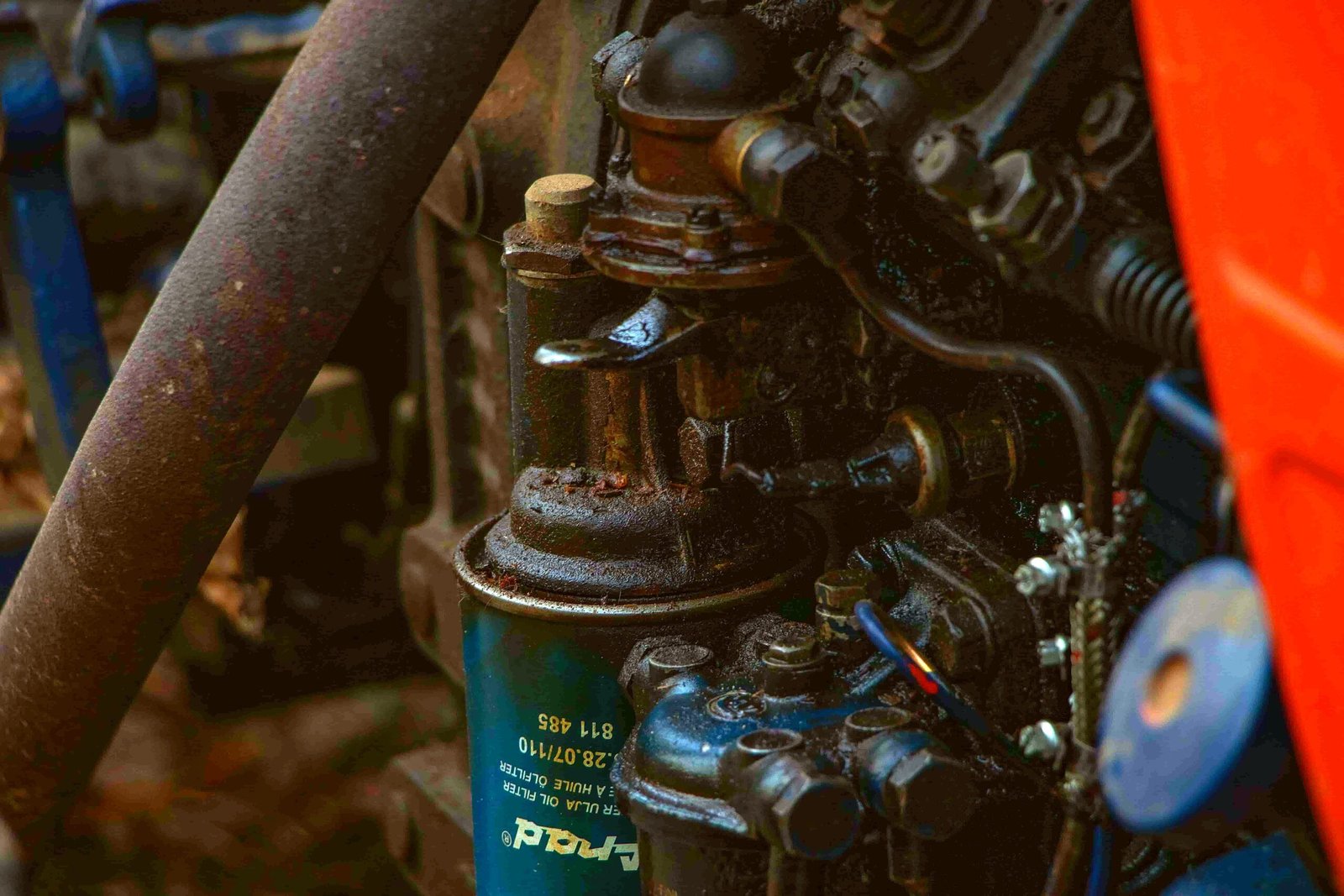
The old filter came off a bracket under the car. When he showed it to me, it was dark brown and felt noticeably heavier than the new one. We installed the new filter, making sure the flow arrow on the body pointed toward the engine. This is important. Installing it backward will make things worse, not better.
After reconnecting everything, he primed the system by turning the ignition to the on position without starting the engine a few times, about three seconds each. This lets the fuel pump refill the empty lines with fuel before you try to start.
The car started on the first turn of the key. Clean, immediate, and no hesitation. I actually laughed a little because the difference was so obvious.
A Few Things Worth Knowing Before You DIY
Some modern cars have the fuel filter built into the fuel pump assembly inside the tank. If yours is one of those, it is not a quick driveway job. You would need to access it through a panel under the rear seat or by dropping the fuel tank from underneath. That is a job worth handing to a workshop unless you know what you are doing.
Before buying a filter, look up your exact car model, year, and engine size. Filters are not universal. Getting the wrong size means it either will not fit or will not seal properly.
Work outside or in a well-ventilated garage. Petrol fumes in an enclosed space are not something you want to mess around with, especially near any kind of open flame or running electrical tools.
Keep a small container and some rags nearby. Some fuel will drip out of the lines when you disconnect them. This is normal and expected.
One More Thing That Actually Helped
After the filter was replaced, my cousin told me something practical that I had never heard before.
Try not to run your car on an almost empty tank regularly. When the fuel level gets very low, the pump has to pull from the very bottom of the tank where all the heavy sediment and rust tends to settle. Over time, this sends more junk through the filter and clogs it faster. Filling up around a quarter tank is a simple habit that genuinely extends the life of both the filter and the pump.
I use a simple reminder on my phone now. When the low fuel warning comes on, I fill up the same day instead of running it down to the last drop.
Wrapping It Up
If your car has been jerking, struggling to start, losing power on inclines, or stalling unexpectedly, do not immediately jump to expensive diagnostics. Check when the fuel filter was last replaced. If you cannot remember, or if you have never changed it and the car has been around for a while, there is a good chance that tiny part is the reason behind all the frustration.
It is not an expensive fix. The part itself is usually very affordable, and if it is an external filter, replacing it does not require a mechanic. A couple of hours, basic tools, and a bit of patience is all it takes.
I wasted two weeks chasing the wrong problems. Hopefully you do not have to.

Adnan Aslam is passionate about helping everyday drivers understand their vehicles better. Through CarFixedExpert.com, he shares clear, step-by-step car maintenance guides written in simple language. His goal is to make basic repairs and maintenance easy, safe, and affordable for everyone.
He believes that even small car knowledge can save money and prevent major problems. His content focuses on practical advice, safety awareness, and beginner-friendly explanations.