The Fuel Average Secret Most Drivers Learn Too Late
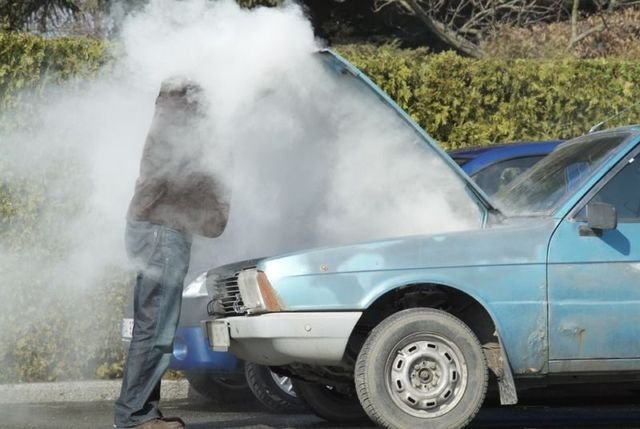
A few years ago, I started noticing something annoying. I was visiting the petrol pump way more often than usual. Same routine. Same driving. But the fuel was disappearing faster. And with prices already high, it really started bothering me. I remember thinking something serious must be wrong with the engine. Maybe a costly repair coming my way.
But when I finally checked a few basic things, I couldn’t believe it. There was no major problem. Just simple maintenance I had been ignoring for months. Things so small I never thought they mattered. Once I fixed them, my car’s fuel mileage improved noticeably. Not by magic. By paying attention.
That experience taught me something important. Good fuel average is not just about how gently you drive or which route you take. Regular maintenance plays a huge role. Probably bigger than most of us realize.
If you want to know how to get better fuel mileage without emptying your wallet on mechanics, these simple maintenance tips can make a real difference. I learned them the hard way so you don’t have to.
Keep Your Tires Properly Inflated
One of the biggest reasons for poor fuel economy is low tire pressure. When tires are underinflated, they create more resistance on the road. The engine has to work harder, which increases fuel consumption.
Check your tire pressure at least twice a month. Use the recommended PSI mentioned in your car manual or on the sticker inside the driver’s door. Properly inflated tires improve fuel efficiency and also increase tire life.
Replace Dirty Air Filters
A clogged engine air filter restricts airflow to the engine. When the engine does not get enough clean air, it burns more fuel to compensate.
Replacing a dirty air filter is one of the easiest and cheapest ways to improve fuel mileage. If you drive in dusty areas, check it regularly. A clean air filter helps the engine breathe properly and improves combustion efficiency.
Change Engine Oil on Time
Old or low-quality engine oil increases friction inside the engine. More friction means the engine works harder and consumes more fuel.
Always use the oil grade recommended by your car manufacturer. Regular oil changes keep engine parts moving smoothly and improve overall performance.
Skipping oil changes may save money in the short term, but it costs more in fuel and engine wear later.
Check Spark Plugs and Ignition System
Faulty spark plugs can cause incomplete combustion. When fuel does not burn properly, mileage decreases.
If your car feels rough while idling or has slow acceleration, worn-out spark plugs might be the reason. Replacing them at the recommended interval helps maintain proper fuel burning and better efficiency.
Maintain a Clean Fuel System
Over time, fuel injectors can get clogged with deposits. This affects how fuel is sprayed into the engine. Poor fuel spray pattern leads to higher fuel consumption.
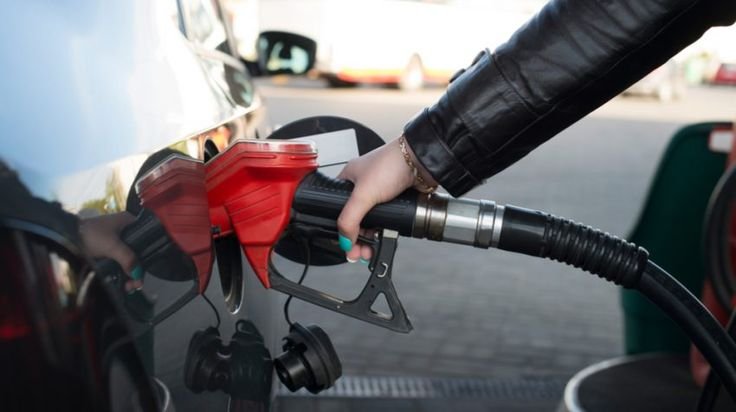
Using good quality fuel and occasionally adding a fuel system cleaner can help maintain injector performance.
Keep Your Car Properly Tuned
Regular engine tuning ensures that all components are working correctly. A well-maintained engine consumes less fuel and delivers smoother performance.
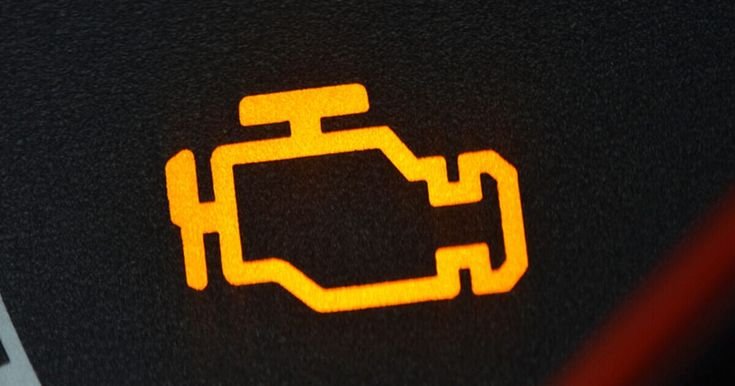
If your check engine light is on, do not ignore it. Even small sensor issues can reduce fuel efficiency.
Avoid Carrying Unnecessary Weight
Extra weight increases fuel consumption. Remove unnecessary items from your trunk. Heavy loads force the engine to use more power, especially in city driving.
It may seem like a small detail, but reducing weight helps improve mileage over time.
Align and Balance Wheels
Misaligned wheels cause uneven tire wear and increase rolling resistance. This directly affects fuel economy.
If your car pulls to one side while driving or the steering feels off, get the alignment checked. Proper alignment improves mileage and driving comfort.
My Personal Results After Basic Maintenance
When I checked my tire pressure, replaced the air filter, and changed the engine oil on time, I noticed an improvement within a few weeks. The fuel average increased by a few kilometers per liter, which made a clear difference in monthly fuel expenses.
It reminded me that fuel efficiency is not only about driving slowly. It is about keeping the car healthy.
Final Thoughts
Improving fuel mileage does not always require expensive repairs. Simple maintenance like checking tire pressure, replacing air filters, changing engine oil, and keeping the engine tuned can significantly improve fuel efficiency.
If you take care of these basic things regularly, your car will reward you with better performance, lower fuel costs, and a longer engine life.
Small efforts in maintenance today can save a lot of money tomorrow.