Bad Car Thermostat Sign: What They Mean and When to Take Action
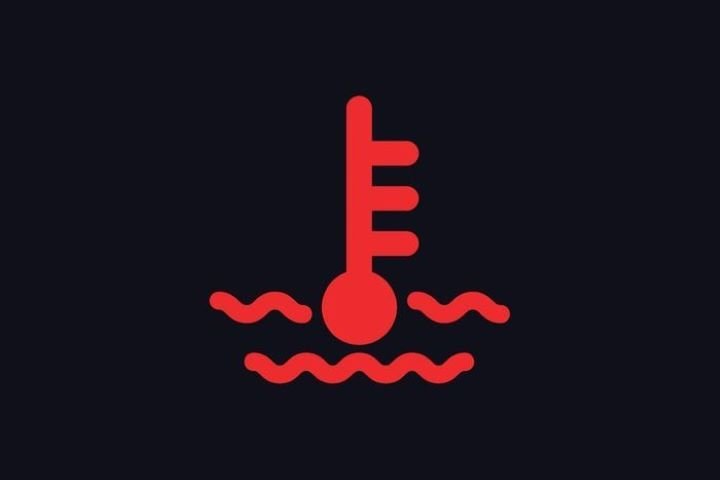
The thermostat is a small but very important part of your car’s cooling system. It controls the flow of coolant between the engine and radiator, keeping the engine at the correct operating temperature. If it fails, your car can overheat or take too long to warm up. Therefore, recognizing bad car thermostat sign early can save your engine from serious damage. For instance, if you notice the temperature gauge fluctuating wildly or sitting below normal, these are classic bad car thermostat symptoms that demand attention. Additionally, poor heater performance inside the cabin often points to the same issue. Consequently, understanding bad car thermostat symptoms helps you catch problems before they escalate. Moreover, coolant leaks near the thermostat housing and steam from the hood are also clear bad car thermostat symptoms you should never ignore. In fact, spotting these bad car thermostat sign early means you can replace the part yourself and avoid costly repairs. So if you have been wondering what bad car thermostat sign look like, this guide will walk you through everything. Ultimately, knowing these signs keeps your engine healthy and your drives worry-free.
What a Thermostat Does
A thermostat acts like a gate between the engine and the radiator. When the engine is cold, the thermostat stays closed, allowing the engine to warm up quickly. Once the engine reaches the proper temperature, the thermostat opens, letting coolant flow to the radiator to prevent overheating.
A failing thermostat can stick open or closed, causing problems with engine performance.
Common Signs of a Bad Thermostat
1. Engine Overheating
If the thermostat is stuck closed, coolant cannot flow to the radiator. This can cause the engine temperature to rise quickly. Overheating can lead to warped engine parts, blown head gaskets, or engine failure if not addressed.
2. Engine Takes Too Long to Warm Up
If the thermostat is stuck open, the engine keeps running cool because the coolant flows continuously to the radiator. This may cause the heater to blow cold air in winter and reduce fuel efficiency.
3. Fluctuating Temperature Gauge
A bad thermostat can cause the temperature gauge to rise and fall rapidly. You may notice the engine temperature jumping from normal to hot in a short time.
4. Coolant Leaks
Thermostat housing can leak when it fails. You may notice coolant pooling under the car or around the thermostat area. Look for wet spots or a sweet smell near the engine.
5. Poor Heater Performance
If your car’s heater blows cold air even when the engine is warm, it can be a sign that the thermostat is stuck open, preventing the engine from reaching the correct temperature.
How to Replace a Car Thermostat
Replacing a thermostat is a task most drivers can do at home with basic tools. Here’s a step-by-step guide:
Step 1: Gather Tools and Materials
- New thermostat and gasket (check your car manual for the correct model)
- Socket set and wrenches
- Screwdrivers
- Drain pan for coolant
- Gloves and safety glasses
- Clean rags
- Coolant
Step 2: Ensure Engine is Cool
Never attempt to open the cooling system while the engine is hot. Hot coolant can spray and cause burns. Wait at least 30 minutes after turning off the engine.
Step 3: Drain the Coolant
Place a drain pan under the radiator. Open the drain plug or remove the lower radiator hose to drain the coolant. Save it if it’s still in good condition, or dispose of it safely.
Step 4: Locate the Thermostat
The thermostat is usually located in a housing where the upper radiator hose connects to the engine. Remove the hose clamp and hose to access the thermostat.
Step 5: Remove the Old Thermostat
Unscrew the bolts holding the thermostat housing. Carefully remove the housing and the old thermostat. Note the orientation of the thermostat so you can install the new one correctly.
Step 6: Clean the Housing Surface
Clean the surface of the housing and engine where the thermostat sits. Remove old gasket material and dirt to ensure a proper seal.
Step 7: Install the New Thermostat
Place the new thermostat in the correct orientation (spring side usually faces the engine). Install the new gasket and tighten the housing bolts securely, but do not over-tighten.
Step 8: Reattach the Radiator Hose
Reconnect the radiator hose and secure the clamp. Make sure it is tight to prevent leaks.
Step 9: Refill the Coolant
Refill the radiator and coolant reservoir with the recommended coolant mixture. Usually, it’s a 50/50 mix of coolant and distilled water.
Check for air pockets by running the engine with the heater on and topping up coolant as needed.
Step 10: Test the Thermostat
Start the car and let it reach operating temperature. Watch the temperature gauge to ensure it rises normally and stays stable. Check for leaks around the thermostat housing and hoses.
Safety Tips
- Always wear gloves and safety glasses when handling coolant
- Work on a cool engine
- Dispose of old coolant properly
- Never force the thermostat into the housing
Final Thoughts
A failing thermostat can cause overheating, poor heater performance, and engine damage. Learning to identify the signs and replacing it at home is easy with the right tools and careful steps.
At CarFixedExpert.com, our goal is to make car maintenance simple and practical. Regular checks of your cooling system, including the thermostat, can prevent major problems and keep your engine running smoothly for years.

Adnan Aslam is passionate about helping everyday drivers understand their vehicles better. Through CarFixedExpert.com, he shares clear, step-by-step car maintenance guides written in simple language. His goal is to make basic repairs and maintenance easy, safe, and affordable for everyone.
He believes that even small car knowledge can save money and prevent major problems. His content focuses on practical advice, safety awareness, and beginner-friendly explanations.