
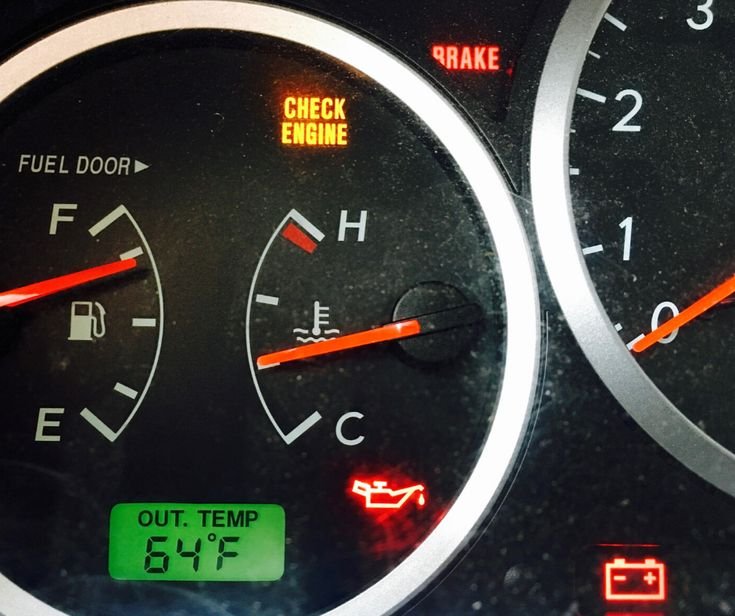
There’s almost nothing more frustrating than sitting in your car, watching the temperature needle climb into the red zone. Your heart sinks a little, especially if you’re stuck in traffic or miles away from home. The good news? You don’t always need a costly trip to the mechanic to sort it out. Understanding the basics of car overheating repair can help you spot the problem early and fix it before it turns into something major. Whether it’s a simple coolant top-up or checking for a leak, knowing how to handle car overheating repair yourself gives you confidence and saves you money. At CarFixedExpert, we break down car overheating repair into simple, practical steps so you can get back on the road without the stress. Because let’s be honest—when your engine’s running hot, the last thing you need is confusion. We’re here to make car overheating repair clear, simple, and doable.
Why Cars Overheat
Overheating happens when the engine becomes too hot and cannot cool down properly. Some common causes include:
- Low coolant level
- Faulty thermostat
- Blocked radiator
- Broken water pump
- Clogged or leaking hoses
- Broken cooling fan
If the problem is ignored, it can cause serious damage like a blown head gasket or warped engine parts.
Step 1: Pull Over Safely
If your car starts overheating while driving:
- Turn off the AC and turn on the heater (this can help remove some heat from the engine)
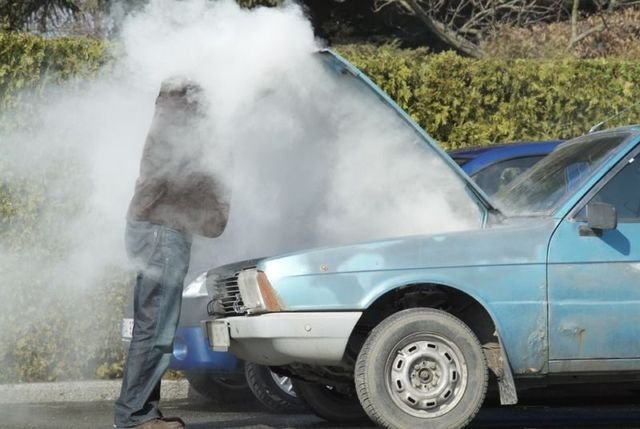
- Find a safe place to pull over and turn off the engine
- Do not continue driving, as this can cause severe engine damage
Wait at least 20-30 minutes for the engine to cool down before attempting anything under the hood.
Step 2: Check the Coolant Level
Once the engine is cool, check the coolant reservoir. The coolant should be between the MIN and MAX marks.
If it is low, refill it with the correct type of coolant recommended in your owner’s manual. Never open the radiator cap when the engine is hot—it can spray boiling coolant and cause burns.
how to check coolant level
Step 3: Inspect for Leaks
Check hoses, radiator, and the coolant reservoir for leaks. Look for wet spots, dripping fluid, or a sweet smell under the car.
Small leaks can be fixed at home using hose clamps or sealants, but larger leaks may need professional repair.
Step 4: Check the Radiator
A clogged or dirty radiator can prevent proper cooling. Make sure the radiator fins are clean and free of debris like leaves or dirt.
You can gently clean the radiator with water and a soft brush. Avoid bending the fins, as this can reduce airflow and cooling efficiency.
Step 5: Test the Thermostat
The thermostat regulates engine temperature. If it is stuck closed, the coolant cannot circulate properly, and the engine will overheat.
Replacing a thermostat is usually inexpensive and can often be done at home if you have basic tools.
Step 6: Check the Cooling Fan
The electric cooling fan helps remove heat from the radiator. If the fan is not working, the engine can overheat quickly, especially in traffic or hot weather.
Turn on the car and let it idle. Observe if the fan turns on when the engine reaches operating temperature. If not, the fan motor, relay, or fuse may need attention.
Step 7: Avoid Driving Hot
If the car is already overheating, do not drive it. Continuing to drive can cause permanent engine damage.
After cooling down, drive only to the nearest service station or home slowly, keeping an eye on the temperature gauge.
Step 8: Simple Home Fixes
- Refill low coolant
- Tighten loose hoses
- Clean debris from the radiator
- Check and replace a faulty thermostat or radiator cap
- Ensure the cooling fan works
These fixes often solve minor overheating problems without a mechanic.
When to See a Mechanic
If your car continues to overheat after these checks, it may indicate a serious issue, such as:
- Blown head gasket
- Faulty water pump
- Severe radiator damage
In these cases, professional help is necessary to prevent permanent engine damage.
Safety Tips
- Never open the radiator cap when the engine is hot
- Wear gloves when handling coolant
- Avoid touching hot engine parts
- Dispose of old coolant safely
Final Thoughts
Car overheating can be alarming, but most cases are preventable and fixable at home. Regular maintenance, checking coolant levels, and keeping the radiator and hoses clean help prevent overheating.
At CarFixedExpert.com, the goal is to give drivers simple, practical tips to maintain their cars. By following these steps, you can handle overheating problems safely and keep your engine running smoothly.
One response to “car overheating repair”
[…] car overheating repair […]