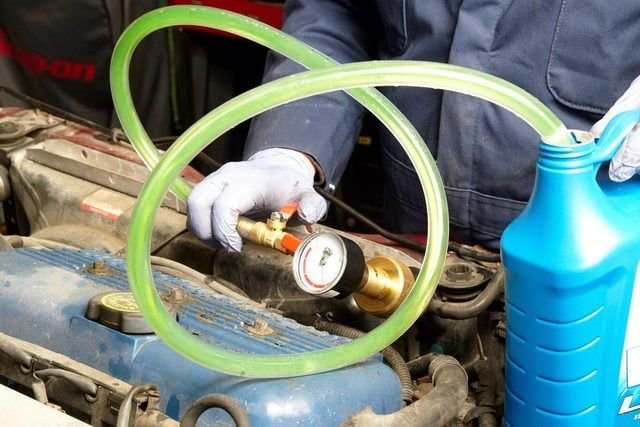
Coolant is one of the most important fluids in your car. It keeps your engine from overheating, protects it from freezing in cold weather, and helps maintain the right temperature for smooth performance. Ignoring the coolant system can cause serious engine damage, which is why every driver should learn how to check coolant level regularly. The good news is that how to check coolant level is simple, and you can do it safely at home with a few basic steps. Whether you’re preparing for a long road trip or just performing routine maintenance, knowing how to check coolant level will save you money and prevent unexpected breakdowns. In this guide, CarFixedExpert will show you exactly how to check coolant level correctly, what type of coolant to use, and the warning signs that indicate a bigger problem with your cooling system.
Why Coolant Is Important
Coolant, also called antifreeze, is a mixture of water and special chemicals that prevent your engine from overheating and freezing. Without enough coolant, the engine can overheat, causing warped components, blown head gaskets, or even complete engine failure.
Regularly checking your coolant ensures that your engine stays at the right temperature and performs efficiently.
Step 1: Wait Until the Engine is Cool
Never open the coolant reservoir or radiator cap while the engine is hot. Hot coolant can spray out and cause burns.
Wait at least 30 minutes after turning off your car to allow the engine to cool down. Safety is the most important step when working with the cooling system.
Step 2: Locate the Coolant Reservoir
Most cars have a transparent plastic coolant reservoir near the radiator or engine bay. It usually has markings for “MIN” (minimum) and “MAX” (maximum) levels.
If you cannot find it, check your owner’s manual for the exact location. Some older cars may require you to check the radiator directly.
Step 3: Check the Coolant Level
Look at the side of the reservoir to see the coolant level. It should be between the MIN and MAX marks.
If the level is low, it is time to refill. Low coolant can cause overheating even if the car seems to be running fine.
Step 4: Inspect the Coolant Condition
Coolant should usually be bright green, orange, or pink, depending on the type used in your car.
Check for:
- Cloudiness or discoloration
- Rust or debris
- Oil contamination
If the coolant looks dirty or contaminated, it is better to flush the system and refill with fresh coolant.
Step 5: Choose the Right Coolant
Always use the coolant type recommended in your car’s manual. Different cars require different formulas, and using the wrong type can damage the cooling system.
You can buy premixed coolant or concentrate that you mix with water. Never use plain water alone, as it will not protect the engine properly.
Step 6: Refill the Coolant
Slowly pour the coolant into the reservoir until it reaches the MAX mark. Do not overfill, as coolant expands when the engine heats up.
If your car has a radiator cap, you can refill directly into the radiator as well, but only when the engine is completely cold.
Step 7: Bleed the Cooling System (If Needed)
Some cars may trap air in the coolant system after refilling. Trapped air can cause overheating or air pockets in the engine.
Check your owner’s manual for the bleed procedure. Usually, this involves running the engine with the heater on high and opening the bleed valve to let air escape.
Step 8: Check for Leaks
After refilling, inspect hoses, radiator, and the reservoir for leaks. Even a small leak can cause the coolant level to drop quickly.
Look for wet spots, dripping coolant, or a sweet smell under the car. If you notice a leak, fix it immediately.
Step 9: Monitor Coolant Regularly
Check your coolant level at least once a month and before long trips. Regular inspection prevents overheating and ensures the engine runs efficiently.
car overheating repair
Safety Tips
- Always work on a cool engine
- Wear gloves to avoid contact with coolant, as it is toxic
- Avoid spilling coolant on painted surfaces; it can damage paint
- Dispose of old coolant properly; do not pour it down the drain
Final Thoughts
Checking and refilling coolant properly is an easy task that every driver should know. It prevents engine overheating, extends the life of your engine, and saves money on repairs.
At CarFixedExpert.com, the goal is to help everyday drivers maintain their cars safely and efficiently. A few minutes of regular coolant checks can protect your engine from serious damage and ensure your car runs smoothly all year round.

Adnan Aslam is passionate about helping everyday drivers understand their vehicles better. Through CarFixedExpert.com, he shares clear, step-by-step car maintenance guides written in simple language. His goal is to make basic repairs and maintenance easy, safe, and affordable for everyone.
He believes that even small car knowledge can save money and prevent major problems. His content focuses on practical advice, safety awareness, and beginner-friendly explanations.