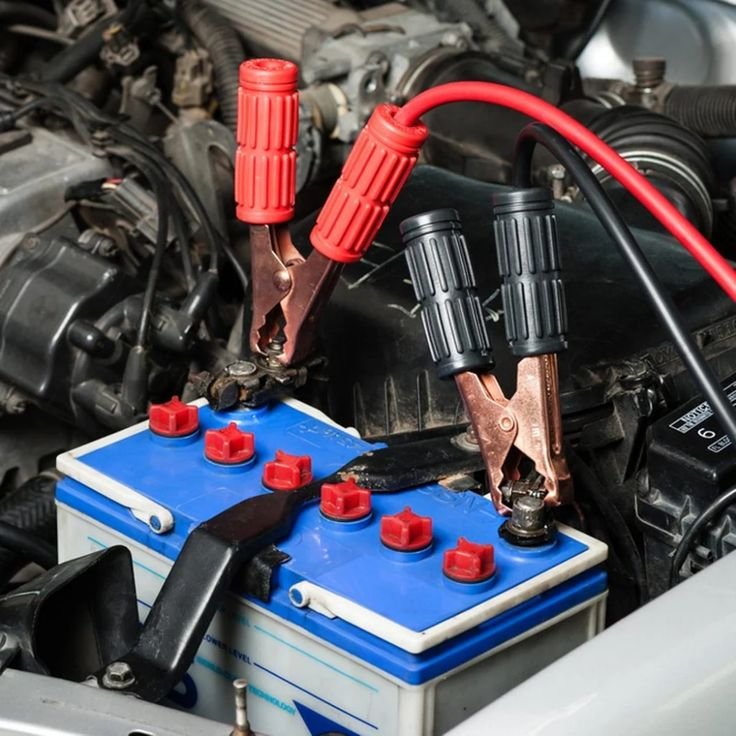
Is Your Car Battery Dying? Don’t Get Stranded—Here’s How a Simple Car Battery Tester Can Save You
You turn the key, and instead of that familiar, powerful roar, you get a sad, slow grrr-grrr… or worse, just a deadly click. Your heart sinks. It’s usually the battery. However, you don’t need to be a mechanic to diagnose this problem. In fact, you don’t even need to wait for a breakdown to know your battery is weak. With a small, affordable tool called a Car Battery Tester, you can become the boss of your vehicle’s health. This simple device helps you check your car battery health in seconds, giving you the power to fix issues before they leave you stranded. Let me walk you through everything you need to know about this essential tool.
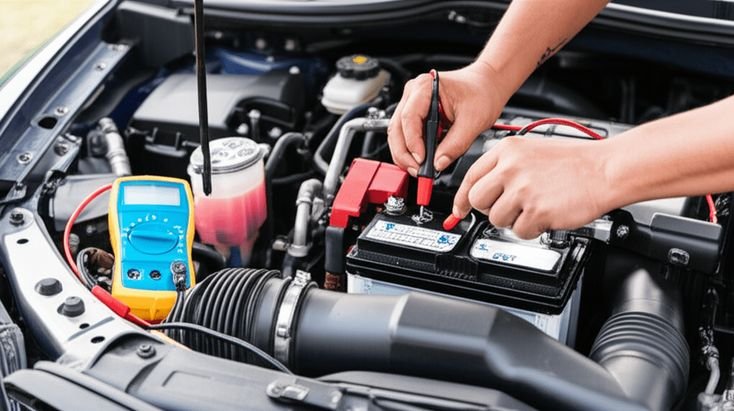
What Exactly is a Car Battery Tester?
Think of a Car Battery Tester as a doctor for your car’s electrical system. Just like a doctor checks your blood pressure and heart rate, a Battery Tester checks the voltage and overall condition of your battery. It’s a handheld device that takes the mystery out of car maintenance.
You simply connect it to your battery terminals, and within seconds, it tells you:
Is the battery fully charged?
Is it healthy, or is it on its last legs?
Is the alternator doing its job properly?
Honestly, owning a simple 12V Battery Tester removes all the guesswork. You won’t have to wonder anymore
click here: if you know about Car were not starting.
Why Should You Bother Testing Your Car Battery?
Most people ignore their automotive battery until the car won’t start. That’s a big mistake. By then, you’re already late for work, stuck in a parking lot, or calling for a jump. So, why be proactive? Here are a few solid reasons why a Car Battery Tester is a worthwhile investment.
How a Battery Tester Helps Avoid Unexpected Breakdowns
Car batteries don’t usually die suddenly. They fade over time. A Car Battery Tester helps you catch that fade early. For instance, if you test it in the fall and see it’s weak, you can replace it before the freezing winter weather kills it for good. This is the biggest benefit of using a Digital Battery Tester, hands down.
Using a Tester to Check After a Jump-Start
Your friend just gave you a jump. You’re driving home. But is the battery actually holding a charge, or is the alternator doing all the work? Once you reach your destination, a quick test with your Battery Analyzer tells you if you need a new battery or if the old one is fine.
click here: if you know about how to replace car battery
Diagnose Electrical Problems With a Battery Load Tester
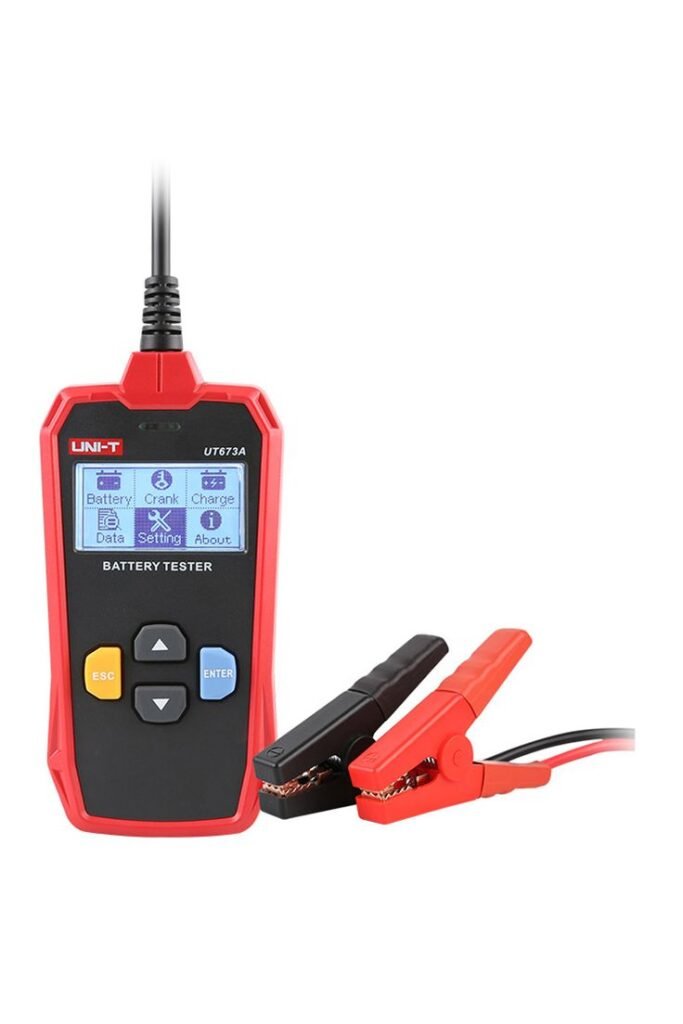
Is your headlight dim? Are the dashboard lights flickering? A quality Car Battery Tester can tell you if the battery is providing stable power. Moreover, many testers also check the alternator. If the battery is healthy but the voltage drops when the car is running, your Automotive Battery Tester will help you figure out that the alternator is the real culprit.
It’s Incredibly Easy to Use a Car Battery Tester
You don’t need to be a gearhead to use a Battery Tester. If you can open your car’s hood and use basic clips, you can use a 12V Battery Tester.
The Different Types of Car Battery Testers: Keeping It Simple
You might walk into an auto shop and see a wall full of these things. Don’t panic. Here is the simple breakdown of the types of Battery Testers you’ll find.
The Basic Multimeter (The Budget Option)
This is the cheapest tool that can function as a basic Car Battery Tester. It’s a simple device with two probes. You touch them to the battery posts and read the number. It tells you voltage, which is useful. However, it doesn’t always tell you the full health of the battery under load like a dedicated Battery Load Tester would.
The Digital Battery Tester (The Best for Most People)
This is the type of Car Battery Tester I recommend. They are affordable and automatic. You clip them on, and they give you a clear result like “Good Battery” or “Replace Battery.” This style of Digital Battery Tester often tests the starting system and charging system too. They are simple and perfect for beginners.
The Professional Conductance Tester (The Accurate One)
Mechanics use this type of high-end Battery Analyzer. It sends a small frequency through the battery to measure its internal health. It is more expensive, but this kind of Automotive Battery Tester is very accurate at detecting a dying battery, even if it still shows a full charge.
click here: if you know about how to connect battery with terminals
How to Test Your Car Battery in 60 Seconds
Let’s get practical. Here is a step-by-step guide using a standard digital Car Battery Tester so you can learn how to use a car battery tester at home with confidence.
Safety First: Make sure the car is turned off. Completely off. No headlights, no radio.
Find the Battery: Pop the hood and locate the battery. You’ll see the positive (+) terminal (usually red) and the negative (-) terminal (usually black). If they are dirty, wipe them off so your Battery Tester gets a good connection.
Connect the Tester: Clip the red clamp from your Car Battery Tester to the positive terminal. Then, clip the black clamp to the negative terminal. Make sure the clamps have a firm grip.
Read the Screen: The 12V Battery Tester will light up. First, it will show you the voltage.
12.6 volts or above: Your battery is fully charged.
12.4 volts: It’s about 75% charged.
12.2 volts: It’s 50% charged. Getting low.
Below 12 volts: It’s discharged or likely sulfated (damaged).
Check the Health: Now, press the “Load” or “Test” button on your Battery Load Tester if it has one. This simulates starting the car. The Digital Battery Tester analyzes the data.
Get the Verdict: The screen will flash a message. If it says “Good Battery,” you are all set. If it says “Replace Battery” or “Bad Cell,” start shopping for a new one immediately. Your Car Battery Tester just saved you from a future headache and helped you avoid getting stranded with a dead battery.
click here: if you know about how to clean your battery terminals
When is the Best Time to Test Your Car Battery?
To get the most accurate picture from your Battery Analyzer, timing matters.
Testing Your Battery in the Morning
The best time to use your Automotive Battery Tester is first thing in the morning, before you start the car. The battery has been sitting all night. This is called the “resting voltage,” and it tells you the true state of charge.
Testing Your Battery Right After Driving
Testing right after a long drive with your Car Battery Tester tells you if the alternator is charging it properly. The voltage should be higher (around 13.5 to 14.5 volts) with the engine running.
What Do Those Numbers Actually Mean?
Let’s translate the tech talk that your Car Battery Tester displays.
12.2 – 12.6 Volts (Engine Off): You are in the green zone. The battery is holding a charge.
14.0 – 14.5 Volts (Engine Running): Perfect. This means your alternator is healthy and feeding power back to the battery.
Below 10 Volts (Under Load): If you try to start the car and your Battery Load Tester shows the voltage drop below 10, your battery lacks the cold cranking amps (CCA) needed to start. It’s weak and needs to be replaced soon.
The Bottom Line
A Car Battery Tester is one of those tools that pays for itself the first time it saves you from a tow truck. It gives you control. Since a Battery Tester helps you check your car battery health in seconds, there is no reason to be left guessing. Instead of being surprised by a dead battery on a cold Monday morning, you can check it on a sunny Sunday afternoon with your Digital Battery Tester.
Grab a simple 12V Battery Tester. It takes less than a minute to use. Trust me, the peace of mind is worth it. Your future self—sitting comfortably in a reliably starting car—will thank you for buying an Automotive Battery Tester.
click here: if you know how to attach jumpers cables

Adnan Aslam is passionate about helping everyday drivers understand their vehicles better. Through CarFixedExpert.com, he shares clear, step-by-step car maintenance guides written in simple language. His goal is to make basic repairs and maintenance easy, safe, and affordable for everyone.
He believes that even small car knowledge can save money and prevent major problems. His content focuses on practical advice, safety awareness, and beginner-friendly explanations.