A Complete
Guide to  DIY Maintenance
Keeping your car’s engine in top shape starts with one of the simplest yet most important maintenance tasks: changing the engine oil and oil filter. Many car owners underestimate how vital clean oil is for their vehicle, but it plays a key role in lubrication, cooling, and protecting your engine from wear and tear. In this guide, I’ll walk you through everything you need to know about engine oil and oil filters, why they matter, and how you can change them at home safely.
Why Engine Oil Matters
Engine oil is much more than just a fluid that makes your engine run smoothly. It lubricates moving parts, reducing friction that can cause damage over time. Oil also helps absorb heat from the engine, keeping it cool during long drives. Dirty or old oil loses its ability to protect your engine, which can lead to overheating, increased fuel consumption, and even major engine damage. That’s why regular oil changes are essential.
Not all oils are created equal. Engine oils come in different grades and types, such as conventional, synthetic, and semi-synthetic. Each type has its benefits. Synthetic oil, for example, lasts longer and performs better under extreme temperatures, while conventional oil is more affordable and works well for standard vehicles. Your car’s manual will tell you the right type and grade of oil to use.
The Role of the Oil Filter
The oil filter works hand in hand with engine oil. Its job is to trap dirt, metal particles, and other contaminants that naturally accumulate in the engine. Over time, the filter becomes clogged, which can restrict oil flow and reduce engine performance. Replacing the oil filter regularly ensures that only clean oil circulates through your engine, prolonging its life and keeping your car running efficiently.
Some people make the mistake of changing the oil but leaving the old filter in place. This is not recommended because the old filter may still be full of debris, which defeats the purpose of changing the oil.
How Often Should You Change Your Oil and Filter?
The frequency of oil changes depends on your vehicle and the type of oil you use. Conventional oil typically requires a change every 3,000 to 5,000 miles, while synthetic oils can last 7,500 to 10,000 miles. However, driving conditions also play a role. Frequent short trips, stop-and-go traffic, or extreme temperatures can shorten the oil’s lifespan, making it necessary to change it sooner.
Always check your car’s manual for the manufacturer’s recommendations. Many modern cars also have an oil change indicator on the dashboard, which can help you keep track.
Tools and Materials You’ll Need
Changing engine oil and the oil filter at home is easier than you might think, but you’ll need some basic tools:
- Engine oil (correct type and quantity for your car)
- New oil filter
- Oil filter wrench
- Socket wrench set
- Oil drain pan
- Funnel
- Gloves and old rags
Make sure you work on a level surface and have enough space to safely drain the old oil and replace the filter.
Step-by-Step Guide to Changing Engine Oil and Filter
- Warm Up Your Engine: Start the car for a few minutes to warm up the oil. Warm oil drains faster, carrying more impurities with it. Turn off the engine before beginning work.
- Locate the Oil Drain Plug: Slide under the car safely using a jack if needed. Place the oil drain pan beneath the plug.
- Drain the Old Oil: Use the socket wrench to remove the drain plug. Let all the old oil flow into the pan. Be careful — the oil may be hot. Once drained, replace and tighten the plug securely.
- Remove the Old Oil Filter: Use the oil filter wrench to unscrew the old filter. Expect some oil to spill — keep the drain pan underneath to catch it.
- Prepare the New Filter: Before installing the new filter, apply a small amount of fresh oil to the rubber gasket. This ensures a tight seal and prevents leaks.
- Install the New Filter: Screw the new filter into place by hand. Avoid over-tightening, which can damage the gasket.
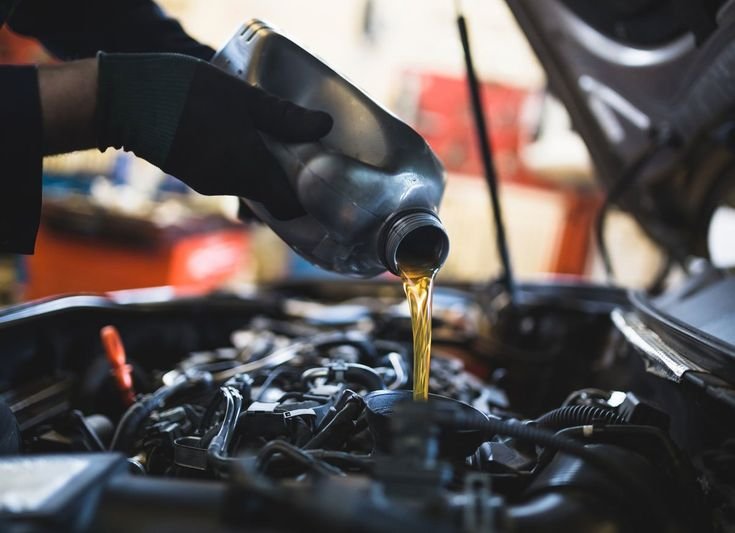
- Add New Oil: Using a funnel, pour the correct amount of new oil into the engine. Double-check your car’s manual for the recommended capacity.
- Check Oil Level: Start the engine for a minute, then turn it off and wait a few minutes. Use the dipstick to check the oil level and top up if necessary.
- Dispose of Old Oil and Filter Properly: Take the used oil and filter to a recycling center or auto shop. Never pour oil down drains or on the ground.
Tips for a Smooth DIY Oil Change
- Always wear gloves to keep your hands clean and avoid burns.
- Keep rags or paper towels handy for spills.
- Work slowly and methodically — rushing can lead to mistakes.
- Record the date and mileage of each oil change to stay on track.
Conclusion
Changing your engine oil and oil filter may seem like a small task, but it’s one of the most important steps you can take to protect your car. Doing it at home saves money and gives you a closer understanding of your vehicle. With the right tools, a little patience, and attention to detail, anyone can perform an oil change safely and effectively. Clean oil and a fresh filter mean smoother rides, better fuel efficiency, and a longer-lasting engine — all reasons to make this simple maintenance task a regular part of your car care routine.
1 Comment
A WordPress Commenter · February 27, 2026 at 2:25 pm
Hi, this is a comment.
To get started with moderating, editing, and deleting comments, please visit the Comments screen in the dashboard.
Commenter avatars come from Gravatar.